
Last updated on: June 12, 2026
If you’re anything like me, then you’ve probably tried a long list of face washes, scrubs, spot treatments, and moisturizers hoping to get rid of acne. And if you’re also tired of spending money on products that promise clear skin but barely make a difference, I completely get you. That’s exactly where I was — frustrated, stressed, and stuck with stubborn breakouts that kept showing up at the worst times.
So when I first heard about using besan, or gram flour, as a daily face pack, I didn’t expect much. Honestly, it sounded too simple to work. But I was curious, especially because it’s natural, gentle, and something women in India have used for generations. And let’s be real — when your skin is acting up, you’ll try almost anything.
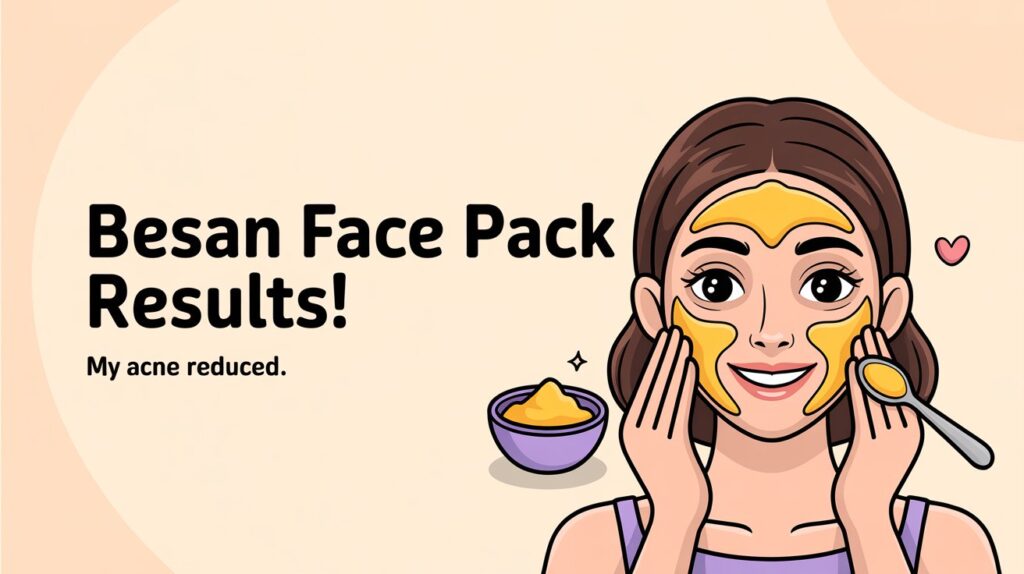
So I gave it a shot. I used a besan face pack every single day for 30 days, and here’s what actually happened.
What Exactly Is Besan and Why Should You Care?
If you haven’t heard of besan before, don’t worry — I hadn’t either until I started looking into natural remedies. Besan is just ground chickpeas, also known as chickpea flour or gram flour. You can actually find it in most U.S. grocery stores now, especially in the international aisle.
Why do women swear by it?
Because besan:
-
absorbs extra oil
-
gently exfoliates
-
cleans pores
-
calms redness
-
fights acne bacteria (thanks to its natural zinc)
It’s simple, safe for most skin types, and doesn’t feel like you’re putting chemicals on your face. Honestly, that was a big reason I wanted to try it.
Why I Decided to Try It Daily
Before I started this little experiment, my skin was going through a rough patch. I had:
-
oily T-zone
-
breakouts on my cheeks
-
bumps on my forehead
-
redness around my chin
Makeup wasn’t sitting well, and I felt like my face was always shiny no matter what I used. I wanted something gentle — and something that didn’t cost $30 for a tiny bottle.
I also love the idea of using natural things that have been trusted for decades. So instead of buying another product, I pulled out a bag of besan from the kitchen and decided to commit.
The Exact Besan Face Pack I Used
Here’s the simple recipe I used every day. No fancy ingredients, no complicated steps:
Ingredients
-
1 tablespoon besan (chickpea flour)
-
A pinch of turmeric (optional)
-
1 teaspoon honey or yogurt
-
A little water or rosewater to adjust consistency
How I used it
-
Mix it until it feels like a smooth paste.
-
Apply on clean skin.
-
Leave it for 10–12 minutes.
-
Rinse gently with lukewarm water.
If your skin is dry, add more yogurt. If it’s oily, stick to water or rosewater.
My 30-Day Journey: Honest Results
Week 1 — “Is this purging?”
The first few days, my skin felt cleaner but also a little tight. On day 4, I noticed two small new pimples. I almost gave up, thinking this wasn’t for me.
But then I realized something: my pores were clearing out. My face didn’t feel greasy by afternoon, which never happens. So I continued.
Week 2 — “Something’s changing”
This week, the shine was more controlled. My forehead bumps looked flatter, and the new pimples dried faster than usual. My skin felt soft — like baby skin soft — because besan gives the gentlest natural exfoliation without ripping your moisture barrier.
I still had acne, but everything looked calmer.
Week 3 — “Wow… is that my skin?”
This was the turning point.
-
Dark marks looked lighter.
-
Redness around my nose reduced.
-
My cheeks felt smooth when I touched them.
-
I didn’t need powder or blotting sheets.
My acne wasn’t fully gone, but it wasn’t popping up every other day anymore.
Week 4 — “This actually works.”
By the end of the month:
-
My active acne was down by almost 70%.
-
My skin tone looked more even.
-
My face looked brighter and healthier.
-
The little bumps that bothered me were mostly gone.
For the first time in months, I felt confident without makeup.
Why Besan Helps With Acne (In Simple Words)
Here’s why besan works — without the heavy science talk:
-
It absorbs oil so your pores don’t stay clogged.
-
It removes dead skin without harsh scrubbing.
-
It calms inflammation, especially when mixed with honey or turmeric.
-
Its natural zinc helps fight acne bacteria.
-
It balances your skin’s pH, which means fewer random breakouts.
You know how some skincare products feel like they make things worse if you use them daily? Besan isn’t like that — it’s gentle but effective.
Unexpected Benefits I Didn’t Expect
Besides acne reduction, I noticed:
-
a healthy glow
-
fewer whiteheads
-
smoother texture
-
a natural brightness (almost like a mild tan remover)
-
softer skin
It also made my skincare routine feel peaceful. Making a fresh mask every day felt like a small self-care ritual, and honestly? I loved that part.
But Wait — Before You Try It Everyday
Not every remedy works for everyone, and you should keep a few things in mind:
-
Always do a patch test (your wrist or jawline).
-
If your skin is very dry, use it only 3 times a week.
-
If you have eczema or very sensitive skin, be cautious.
-
Don’t leave it on until it cracks — that can dry your skin.
-
Always moisturize afterward.
And of course, if you have severe acne, a dermatologist is your best friend.
Can You Use It Every Day?
Yes — but listen to your skin.
If it feels dry or stretched, cut down to 3–4 times a week.
I personally used it daily for a month, and it worked beautifully. But skincare is personal. What works for me may work differently for you.
So… Was It Worth It? Absolutely.
Trying besan every day didn’t magically erase every single flaw, but it:
-
reduced my acne,
-
controlled oiliness,
-
smoothed my skin, and
-
brought back my natural glow.
And the best part? It cost almost nothing.
If you’re tired of complicated routines and want something simple, gentle, and natural, then besan is definitely worth trying. Sometimes the best solutions aren’t in expensive bottles — they’re in your kitchen.
This little experiment reminded me that taking care of your skin doesn’t have to be hard. And if you decide to give besan a try, I truly hope it works just as well for you as it did for me. Your skin deserves love, patience, and a little curiosity.