
Last updated on: June 4, 2026
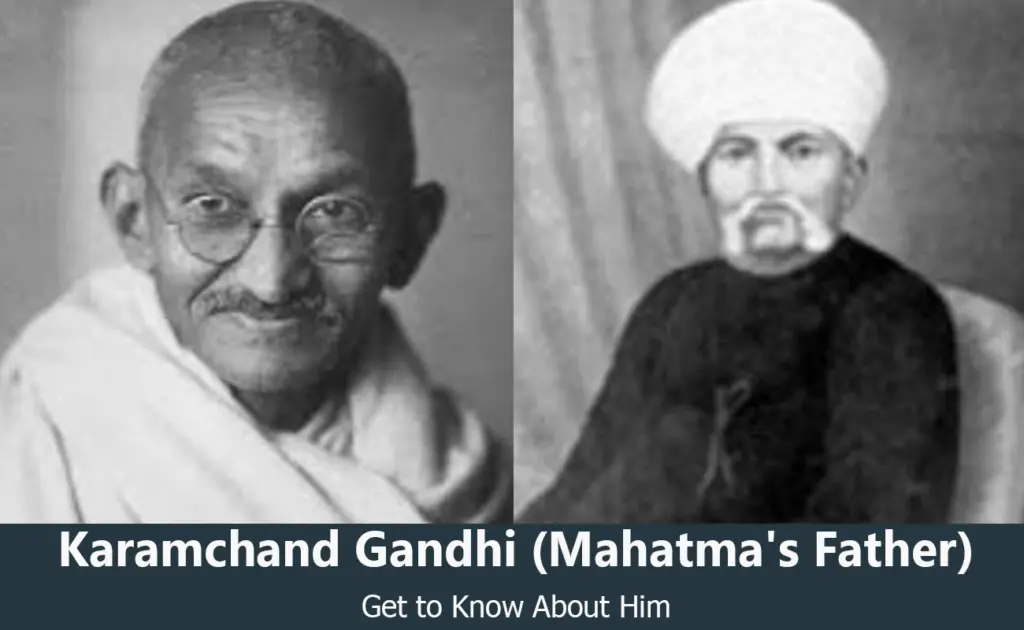
Karamchand Gandhi was the father of Mahatma Gandhi, one of the most important leaders in world history. He lived in 19th-century India and worked as a chief minister in princely states. People respected him for his honesty and strong sense of duty. His life and character had a deep impact on his youngest son, Mohandas, who later became known as Mahatma Gandhi.
To understand Gandhi’s values, it helps to know the man who raised him.
Quick Facts About Karamchand Gandhi
| Full Name | Karamchand Uttamchand Gandhi |
| Birthdate
Death |
April 18, 1822
1885 |
| Age at Death | About 63 years |
| Occupation | Diwan (Chief Minister) and state administrator |
| Husband/Wife | Putlibai Gandhi |
| Education | Limited formal education (clerk-level schooling) |
| Parents | Uttamchand “Ota” Gandhi and Laxmiba |
| Siblings | One of six brothers (names not known) |
| Children | Laxmidas Gandhi, Raliatbehn Gandhi, Karsandas Gandhi, Mohandas Gandhi |
| Net Worth | <$1 million |
Early Life and Family Roots
Karamchand Uttamchand Gandhi was born on April 18, 1822, in Porbandar, Gujarat. He was the fifth of six sons of Uttamchand “Ota” Gandhi and Laxmiba. His family had a long tradition of serving local rulers as advisers and ministers.
His father, Uttamchand, was known for loyalty and courage. A famous story tells how he greeted a Nawab with his left hand because his right hand was already pledged to Porbandar. This story showed the family’s strong belief in honor and integrity. These values passed down to Karamchand.
Karamchand did not receive much formal schooling. He was educated only to the level of a clerk. Still, he was sharp and practical. He learned through experience. His intelligence and discipline helped him rise in government service.
Career as a Diwan
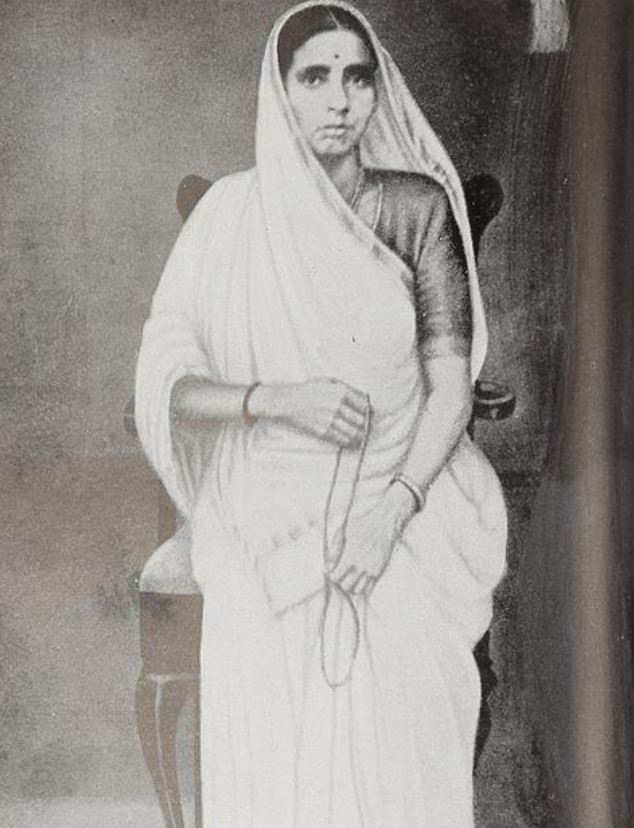
Karamchand followed his father into public service. He became Diwan, or chief minister, of Porbandar. Later he served in Rajkot and briefly in Wankaner. He also sat on the Rajasthaniik Court, which handled legal and administrative matters.
He was known as a fair administrator. He listened carefully before making decisions. He believed in simple living and honest work. Many people trusted him to settle disputes. He managed political pressure with calm judgment.
At home, he could be kind and generous. At times, he was also quick-tempered. Yet he never lost his sense of justice. Watching his father work gave young Mohandas an early look at power and responsibility. These lessons stayed with him for life.
Marriage and Family Life
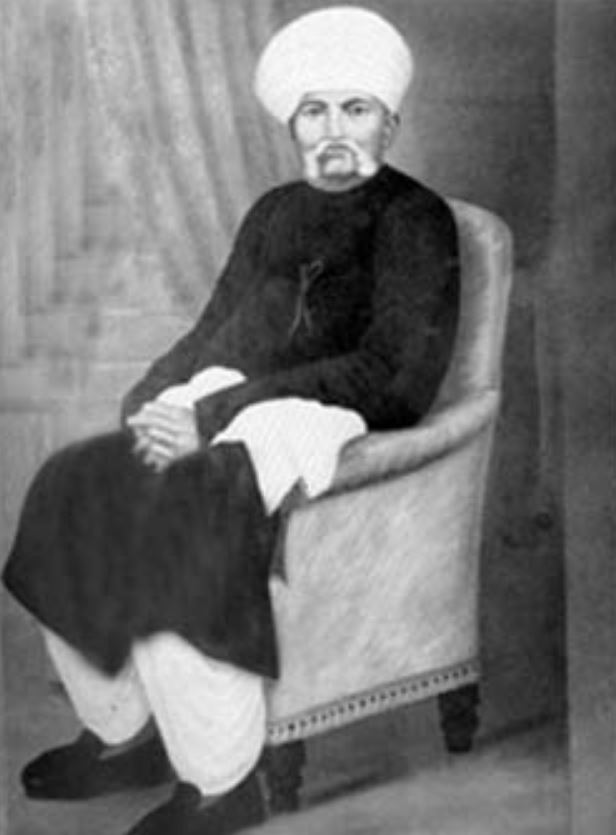
Karamchand married four times. His first three wives died young or left no surviving children. His fourth wife, Putlibai, became the central figure of the household.
Putlibai came from a deeply religious Vaishnava family. She prayed daily and kept many fasts. She often took vows for the well-being of her family. Gandhi later wrote that her devotion shaped his thinking. From her he learned self-control, compassion, and respect for all faiths.
Karamchand and Putlibai had four children: Laxmidas, Raliatbehn, Karsandas, and Mohandas. Mohandas was the youngest. His older siblings helped care for him. The family lived with strict discipline but strong affection.
The home blended politics and religion. From his father, Mohandas saw the inner workings of government. From his mother, he absorbed a life of prayer and moral vows. Gujarati traditions of respect, frugality, and family honor guided daily life.
READ ALSO: Mahatma Gandhi Net worth, Age, Wife, Family, Facts & More
Death and Lasting Influence
Karamchand Gandhi died in 1885. Some records note June 27, while others state November 16. His death deeply affected young Mohandas. Gandhi later wrote about caring for his father during his final illness. That memory stayed with him forever.
Though Karamchand never became famous outside his region, his influence reached far through his son. His commitment to truth, duty, and fairness formed the base of Gandhi’s later philosophy. The discipline of the household helped shape a leader who would challenge an empire without violence.
Karamchand Gandhi’s life was quiet compared to his son’s global fame. Yet his example guided one of the greatest moral voices of the modern age. His legacy lives on through the values he passed to his family and, through them, to the world.