
Last updated on: June 19, 2026
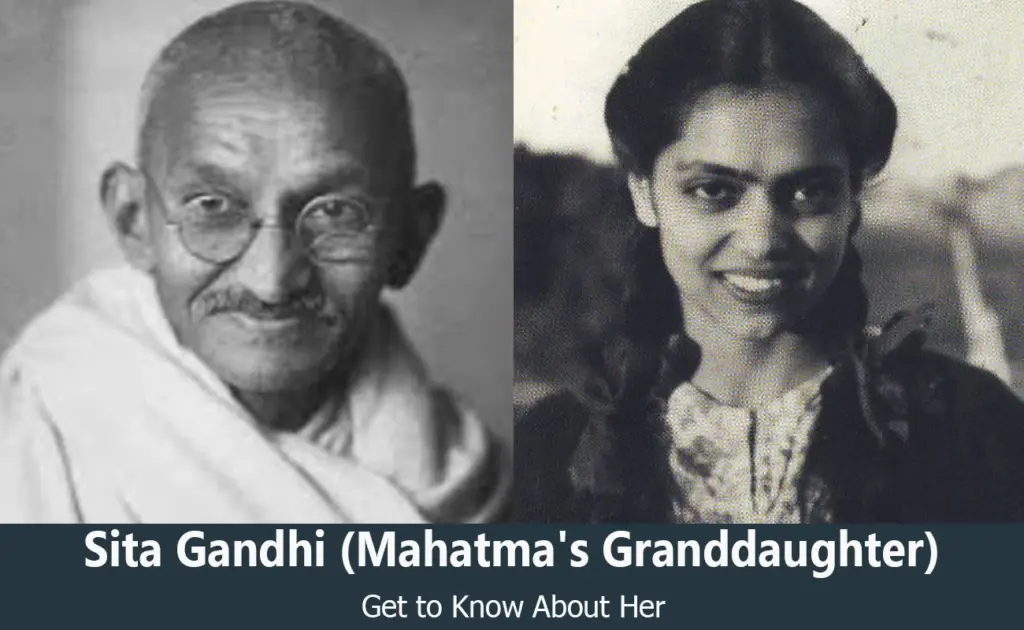
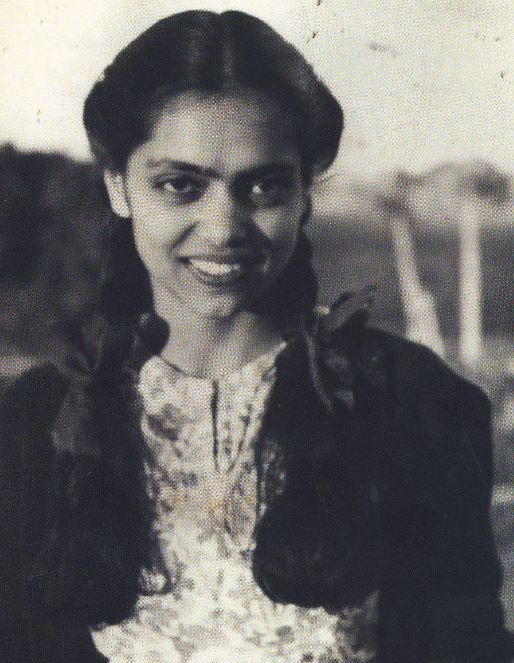
Sita Gandhi was the granddaughter of Mahatma Gandhi, one of the most respected leaders in world history. She was born into a family deeply connected to the struggle for justice, peace, and equality. While many people know about Gandhi’s role in India’s freedom movement, fewer know about the lives of his grandchildren.
Sita Gandhi’s life offers a rare look into what it meant to grow up in the shadow of such a famous figure. Her childhood, family experiences, and later writings help us understand the human side of the Gandhi family.
Quick Facts About Sita Gandhi
| Full Name | Sita Gandhi (later Sita Dhupelia) |
| Birthdate
Death |
October 19, 1928
1999 |
| Age | 71 years (at the time of her death) |
| Occupation | Memoirist; member of the Gandhi family |
| Husband/Wife | Not Known |
| Education | N/A |
| Parents | Father – Manilal Gandhi; Mother – Sushila Mashruwala |
| Grandparents | Mahatma Gandhi and Kasturba Gandhi |
| Siblings | Arun Gandhi; Ela Gandhi |
| Children | Uma Dhupelia-Mesthrie and others |
| Net Worth | <$1 million |
Early Life at Phoenix Settlement
Sita Gandhi was born on October 19, 1928, at Phoenix Settlement near Durban, South Africa. This settlement was founded by Mahatma Gandhi in 1904. It was meant to be a place where people could live simply and follow the values of truth, equality, and hard work.
Her father was Manilal Gandhi, Gandhi’s second son. Her mother was Sushila Mashruwala, who came from a well-known family in Maharashtra, India. Sushila’s family supported Gandhi’s ideas and reforms.
Life at Phoenix Settlement was not easy. The area was surrounded by sugar cane fields. Roads were rough, and the community often felt far from city life. After rain, the paths turned muddy. Basic comforts were limited, and everyone worked hard to keep the community running.
At the same time, the family faced racial discrimination because of apartheid laws in South Africa. These experiences shaped Sita’s early understanding of justice and equality.
Growing Up in the Gandhi Family
Being part of the Gandhi family meant living by strict values. Sita’s parents believed strongly in Gandhi’s ideas. They wore khadi, the hand-spun cloth promoted by Gandhi. They also supported peaceful resistance against unfair laws.
Sita had two younger siblings. Her brother, Arun Gandhi, later became a writer and peace activist. Her sister, Ela Gandhi, became a well-known anti-apartheid leader in South Africa.
As a child, Sita sometimes visited India with her family. During one visit around the time of the Salt March, Gandhi noticed that she looked similar to his wife, Kasturba Gandhi. This small moment became one of the family stories remembered later.
Despite being part of a famous family, Sita’s childhood remained simple. Daily life included chores, study, and community work.
Writing Her Memories
Years later, Sita Gandhi shared many of her childhood memories through written accounts. Her stories helped people see what life was really like inside the Gandhi family.
Her memoirs were later published as “Sita – Memoirs of Sita Gandhi” in 2003. The book was edited by historian Uma Dhupelia-Mesthrie, her daughter. Another work, “In the Shadow of Mahatma,” also tells stories about her life and experiences.
These writings describe life at Phoenix Settlement and the challenges faced by Indian families in South Africa. They also show how difficult it could be to grow up in a family known all over the world.
Through her memoirs, Sita explained that Gandhi’s descendants did not simply live off his fame. Instead, they carried the responsibility of his ideals and legacy.
READ ALSO: Mahatma Gandhi Net worth, Age, Wife, Family, Facts & More
Her Later Years and Legacy
Sita Gandhi spent most of her life in South Africa. She lived quietly and stayed away from public attention. However, her memories became important historical records for researchers and readers.
She passed away in 1999. After her death, her memoirs helped preserve the story of life within the Gandhi household.
Today, Sita Gandhi is remembered as part of the extended Gandhi family. Her life reminds us that behind every great historical figure, there are families who also share the weight of that legacy.
Her writings continue to give readers a deeper understanding of the world that surrounded Mahatma Gandhi and the people closest to him.