
Last updated on: February 4, 2026
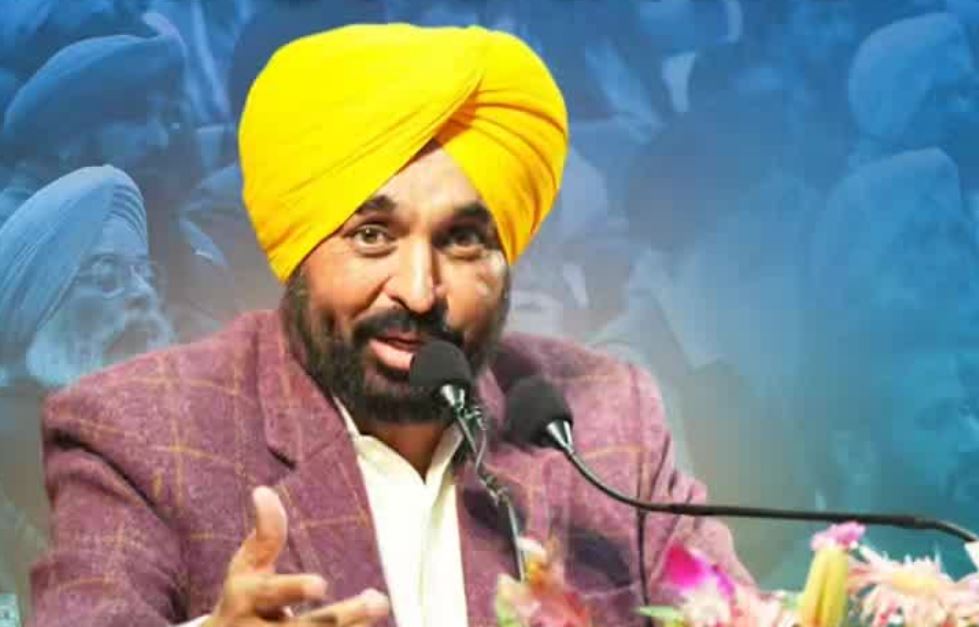
Imagine a journey that starts in a quiet village in Sangrur and ends at one of India’s most powerful offices—this is the story of Bhagwant Mann. What makes his story even more remarkable is how he got there. Before he became the Chief Minister of Punjab in 2022, Bhagwant Mann was making people laugh as a comedian and satirist. He was the guy who would take the microphone and mock the very system he would eventually lead. Then, in March 2022, the Aam Aadmi Party (AAP) swept into Punjab politics with an unprecedented 92 seats out of 117, and Bhagwant Mann became the 17th Chief Minister of Punjab—the first leader from AAP to run a state outside Delhi.
His journey is not just about elections and political victories. It’s about a person who understood the common people because he lived like them, worked like them, and spoke to them in their own language, literally and figuratively. Today, at 52 years old, he continues to be the voice of Punjab’s aspirations.
Quick Bio:
| Attribute | Details |
|---|---|
| Full Name | Bhagwant Singh Mann |
| Current Role | 17th Chief Minister of Punjab |
| Date of Birth | October 17, 1973 |
| Age (as of today) | 52 years, 5 months, and 23 days old |
| Birthplace | Satoj, Sangrur, Punjab |
Physical Appearance & Personal Style: The Yellow Turban Champion
When you see Bhagwant Mann, the first thing you notice is his signature yellow turban—what’s known as the “Basanti” turban. This isn’t just a fashion statement for him. The yellow turban is deeply connected to the legacy of Bhagat Singh, the freedom fighter he deeply admires. It’s a symbol of his respect for Punjab’s revolutionary past and his commitment to continuing that spirit of change.
Standing at approximately 5′ 8″ (173 cm), Mann has an average build that helps him blend in easily with the common people. His physical appearance reflects his roots—he doesn’t dress like a typical politician in expensive suits. Instead, he carries himself with the simplicity of someone who comes from a farming background.
What’s interesting about Mann is his public commitment to fitness and health. Over the years, you’d notice he’s made a conscious effort to move away from certain past habits and maintain a healthy lifestyle. This transformation wasn’t quiet or hidden; he openly discussed his journey toward better health, which made him relatable to thousands of people in Punjab who are trying to do the same in their own lives. His dedication to staying fit shows in his energy and the vigor with which he approaches his duties as Chief Minister.
The Bhagwant Mann Family Tree: Understanding His Roots
Parents & Siblings: The Foundation of His Values
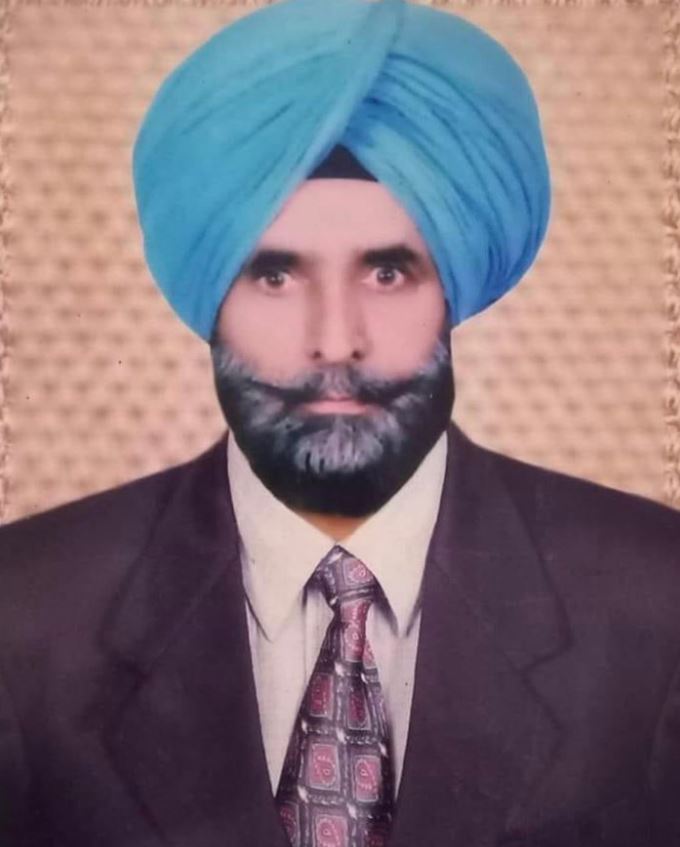
Your family shapes who you become, and for Bhagwant Mann, his family gave him everything he needed to connect with ordinary people. His father, Late Mohinder Singh, was a school teacher and farmer—a man who understood both education and the soil of Punjab. This dual background of learning and agriculture is something Mann carries with him even today. His father passed away in 2011, but his influence remains strong in how Mann approaches governance with both wisdom and practical sense.
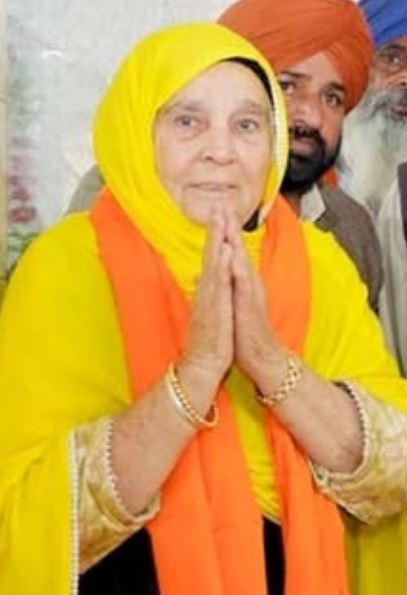
His mother, Smt. Harpal Kaur, is often seen at his political rallies and remains a strong presence in his life. Even as Chief Minister, Mann credits his mother’s values and blessings for his success. She represents the backbone of Punjabi families—the woman who holds everything together.
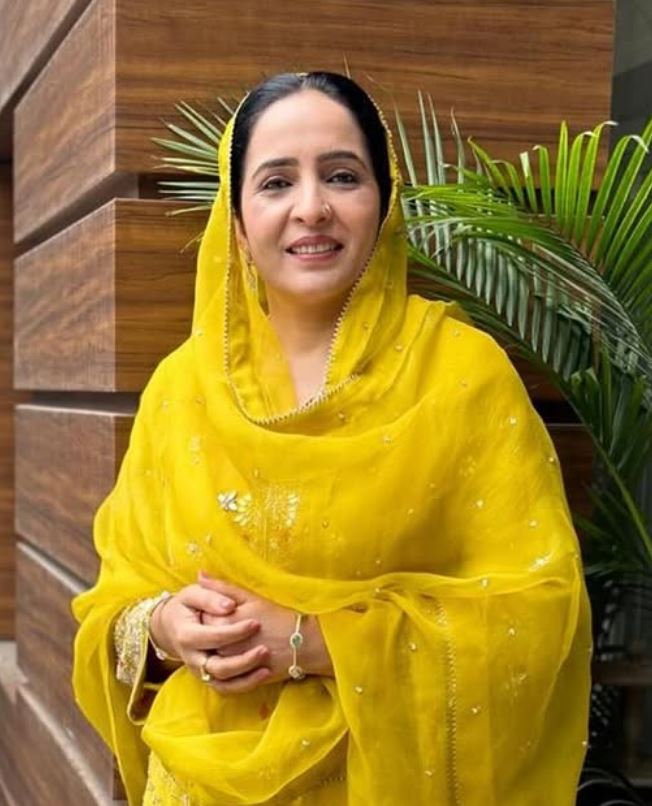
Bhagwant Mann has a sister, Manpreet Kaur, who chose a different path from politics. She’s a teacher by profession, continuing the family’s connection with education, just like their father did. This close-knit family background helped Mann develop empathy for common people and their everyday struggles.
First Marriage to Inderpreet Kaur
Before politics made him famous, Bhagwant Mann was a married man. He tied the knot with Inderpreet Kaur, but like many relationships, it couldn’t withstand the pressures and changes that life brought. The marriage ended in 2015 with their separation.
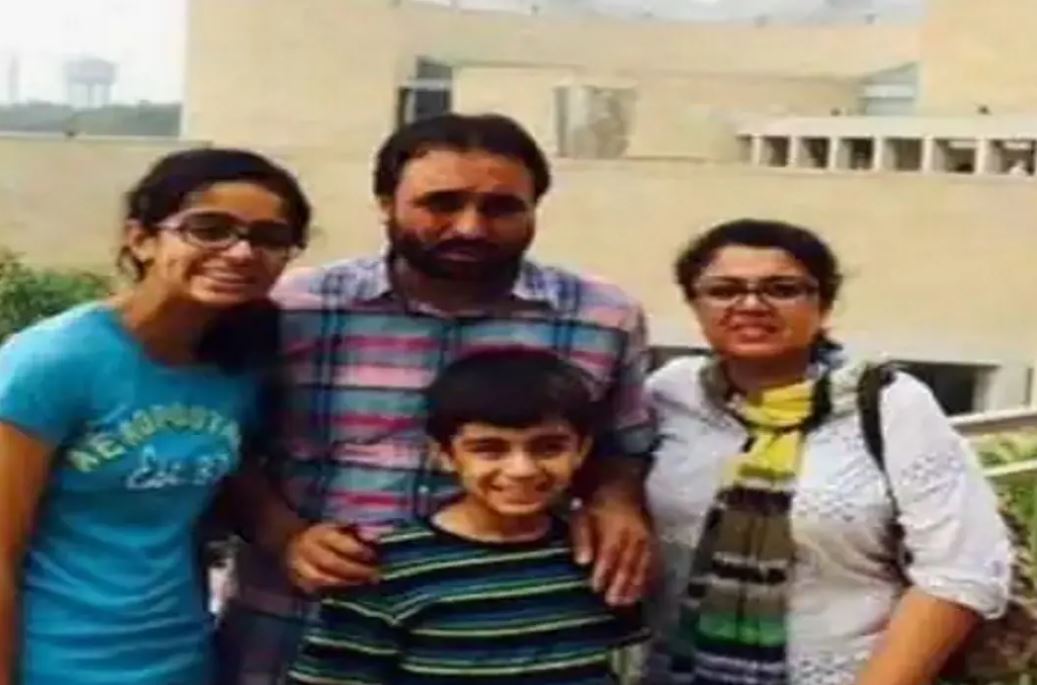
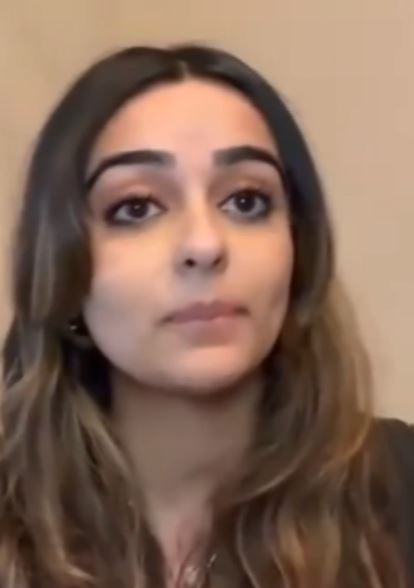
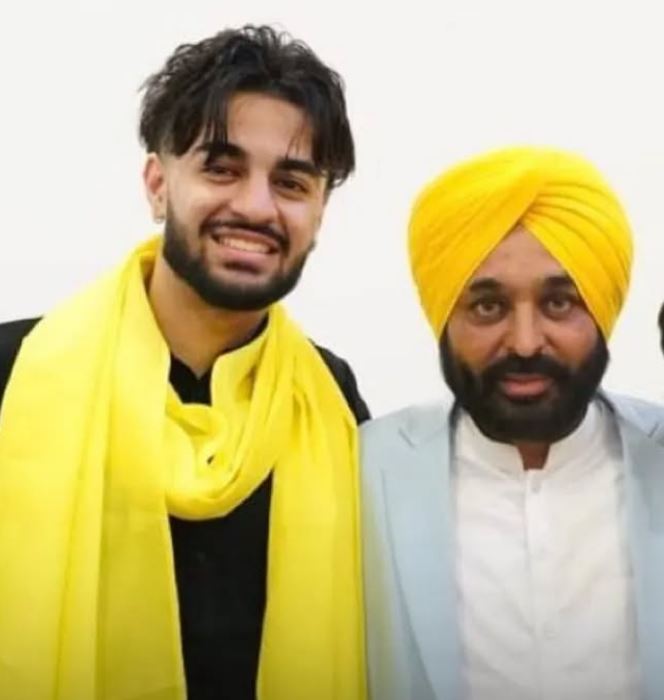
However, Inderpreet and Bhagwant Mann have two beautiful children together. His daughter, Seerat Kaur Mann, and his son, Dilshan Mann, are now residing in the United States. Both of them are now adults—Seerat is 23 years old and Dilshan is 19 years old. Despite living in another country, they remain connected to their father and have shown support for his political journey. When Mann took oath as Chief Minister in March 2022, his children flew in from the USA to witness this historic moment. That moment showed that family bonds transcend geography and personal differences.
Second Marriage to Dr. Gurpreet Kaur
In 2022, Bhagwant Mann made headlines again, but this time for a different reason. Four months after becoming Chief Minister, he got married for the second time. His bride was Dr. Gurpreet Kaur—a 32-year-old doctor from Pehowa in Haryana’s Kurukshetra district. The wedding on July 7, 2022, was quite different from typical big political ceremonies. It was a private affair, held at his residence in Chandigarh, with only close family and a few select guests like Delhi Chief Minister Arvind Kejriwal and AAP leader Raghav Chadha in attendance.
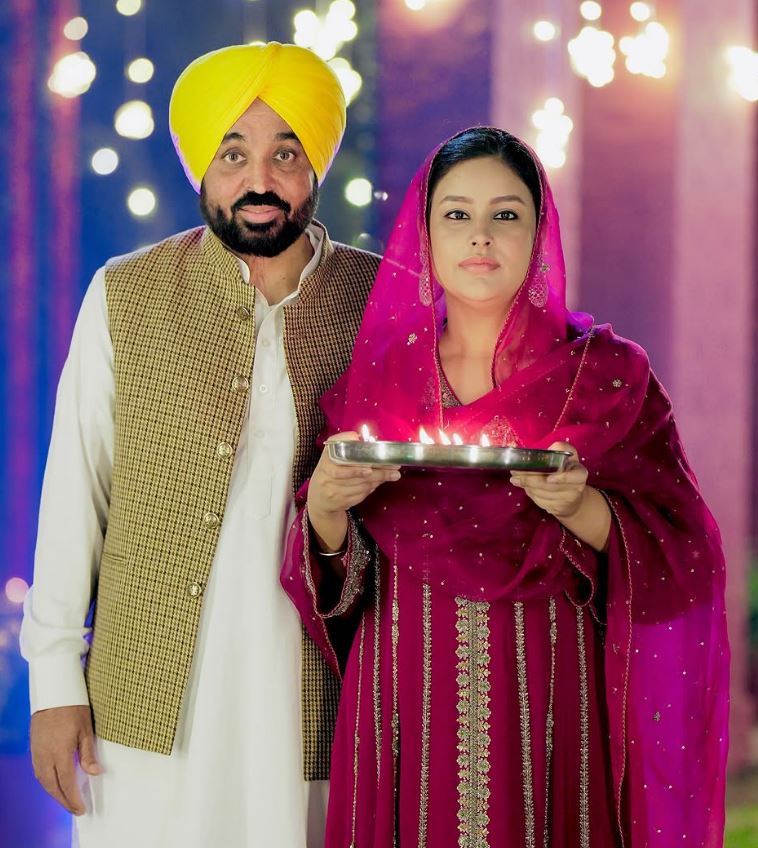
What’s unique about this wedding is that Mann became the first Chief Minister of Punjab to get married while holding office. The marriage was solemnized as per Sikh rituals at a Gurdwara, following the traditional Anand Karaj ceremony.
How did they meet? Interestingly, Mann and Dr. Gurpreet Kaur had known each other for about four years before getting married. They first met in 2019, and she even campaigned with him during the Lok Sabha elections. By the time they decided to marry, his mother and sister had already given their approval, which shows how important family consent remained for Mann despite being a public figure.
Dr. Gurpreet Kaur comes from an educated and well-settled family. Her father holds Canadian citizenship, and her sisters are settled abroad. She completed her MBBS (Doctor of Medicine) from Maharishi Markandeshwar University (MMU) in 2018, making her a qualified medical professional.
New Addition: Daughter Niyamat Kaur Mann
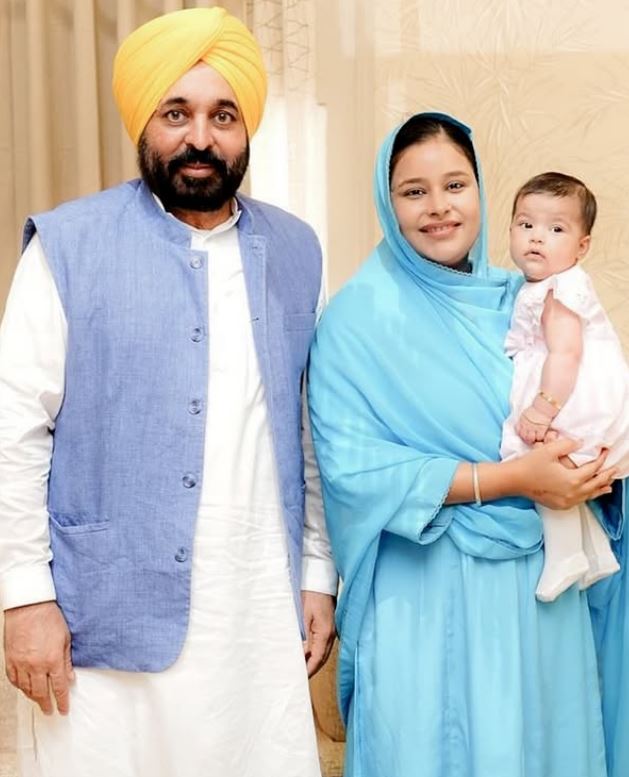
On March 28, 2024, Mann announced through social media that he and Dr. Gurpreet Kaur had been blessed with a baby girl. The announcement was heartfelt and personal. He shared, “Today is a big day for my family. A healthy baby girl is coming to our house for the first time.” The next day, he brought his wife and newborn daughter home to a media throng, and announced that they had named her Niyamat Kaur Mann.
The name “Niyamat” has a beautiful meaning—it means “divine blessing” or “God’s gift.” Mann explained that he and his wife had listened to a song that had the line “Niyamat rab di daad, khuda di bakshish” (God’s blessings, divine grace), and they felt the name was perfect for their daughter. This naming shows how Mann brings spiritual and cultural values into his personal life.
With this daughter, Mann now has three children in total—his two from his first marriage in America, and this new addition with his current wife.
Early Life & Educational Background: From Village Fields to Comedy Stages
Growing Up in Punjab’s Heartland
Bhagwant Singh Mann was born on October 17, 1973, in Satoj village in Sangrur district—a place that remains close to his heart even today. The Sangrur district is agricultural territory, and Mann’s childhood was shaped by the rhythms of farming, the monsoons, the fields, and the simple wisdom of rural Punjab. He grew up in a Jatt Sikh family, which gave him strong roots in Punjabi culture and Sikh values.
From his early childhood, Mann was a naturally funny and observant child. According to people who knew him then, he had a talent for mimicking others—his friends, teachers, even the sounds of tractors and farm equipment. What seems like simple childhood play was actually the seed of something bigger. He was developing his ear for humor and understanding how to make people laugh.
Education: The Unexpected Journey
Your schooling years often determine your path in life, but for Bhagwant Mann, they became the beginning of something unexpected. He completed his schooling at Government School in Cheema village, Sunam. It was a regular education in a regular school, nothing fancy, but it gave him the foundation he needed.
After school, Mann enrolled at Shaheed Udham Singh Government College in Sunam to pursue a Bachelor of Commerce (B.Com) degree in 1992. But here’s where his story takes a turn. While studying in college, Mann participated in youth festivals and inter-college competitions—not just in academics, but in poetry, mono-acting, and drama. He started winning prizes and gaining recognition for his performances.
During one of these college festivals, a music producer named Jarnail Ghuman from the record label DMC Records Ltd noticed Mann’s talent and offered him an opportunity to record an audio cassette of his standup comedy. This was a life-changing moment. Mann was faced with a choice: continue his formal education or pursue his passion for comedy. He chose comedy.
So, technically, he dropped out in his first year of B.Com, but he didn’t drop out on his dreams. This decision, which might have seemed risky at the time, turned out to be the right choice for him. It showed early on that Mann was someone willing to take unconventional paths to follow his passion.
The Comedy Era: “Jugnu” Becomes a Household Name
Before Mann became a politician, he was a comedian—and not just any comedian. He was “Jugnu,” a name that became synonymous with Punjabi humor and satire. On May 16, 1992, just a month after dropping out of college, Mann stepped into the entertainment industry with his first comedy audio album titled “Gobhi Diye Kacchiye Vaparne” (Why Are Cabbages Becoming Expensive?). The album was a satire about inflation and corruption—topics that affected the common man.
This wasn’t stand-up comedy in the Western sense. This was social commentary wrapped in humor. Mann was talking about real issues—inflation, corruption, government policies—but he was making people laugh while doing it. The album became popular, and suddenly, everywhere—on buses, in shops, in homes—people were listening to Bhagwant Mann.
Here’s a funny story Mann has shared: Once, while traveling to college by bus, he heard his own audio cassette being played on the bus radio. But since people only knew his voice and not his face, nobody recognized him sitting right there in the seat next to them!
Throughout the 1990s and 2000s, Mann became a star in Punjabi comedy and films. He became well-known for his TV shows like “Jugnu Kehnda Hai” and “Jugnu Mast Mast” on ETC Punjabi channel. These shows weren’t just about making people laugh; they were about Mann’s observations on politics, society, and everyday life in Punjab.
In 2008, Mann took his comedy to a national stage. He participated in “The Great Indian Laughter Challenge” on Star Plus, one of India’s most popular comedy competitions. Though he didn’t win, the exposure helped him reach audiences beyond Punjab.
Beyond television, Mann also acted in several Punjabi films. But one film stands out: “Main Maa Punjab Dee” (I am the Mother of Punjab) released in 1998. This film, directed by Balwant Dullat, won the National Film Award for Best Feature Film in Punjabi. Mann’s performance in this film showed that he was more than just a comedian—he was a capable actor with depth. His colleagues like Manjeet Kullar, who starred alongside him, considered the film “one of my best performances,” which shows the quality of work he was doing.
By the time Mann entered politics, he had already earned a lot of respect in the entertainment industry. But his comedy and performances had done something even more important: they had given him direct access to the hearts and minds of common Punjabis. He understood them. He spoke their language. He made them laugh. And when he later entered politics, these were the same people who voted for him.
Political Career: From Satirist to Chief Minister
The Initial Steps: Joining People’s Party of Punjab
While your comedy career was bringing him fame and money, Bhagwant Mann always had his eyes on something larger—making real change in the system he was criticizing. In 2011, Mann took his first political step by joining the People’s Party of Punjab (PPP), which was led by Manpreet Badal. This was a relatively smaller political party compared to the Congress or the Akali Dal, but it gave Mann his first real taste of politics.
The test came in 2012 when Mann contested his first election from the Lehra assembly constituency in Sangrur. However, he lost. The incumbent candidate won, and Mann went back to his comedy career. But losing didn’t discourage him. He saw it as a learning experience—understanding what people wanted, what they needed, and what politics at the ground level was really about.
The AAP Era: National Recognition as an MP
On March 22, 2014, Bhagwant Mann made a move that would change everything—he joined the Aam Aadmi Party (AAP). The AAP was still a young party, but it was making waves with Arvind Kejriwal as its national convenor. The party’s promise was simple: honesty and governance focused on common people.
That same year, in the 2014 Lok Sabha elections, Mann contested from the Sangrur constituency—the same district where he was born and grew up. And what a victory it was! He won by over 210,000 votes—an absolutely massive margin. Mann became a Member of Parliament (MP) representing one of Punjab’s most important constituencies.
Being an MP, Mann didn’t just attend Parliament and stay silent. He became known for his powerful speeches and his ability to raise important issues on the floor of the Lok Sabha. His Parliamentary speeches became famous for their honesty, emotion, and connection to the concerns of ordinary people. People started paying attention whenever “Jugnu” stood up to speak in Parliament.
In 2019, Mann contested again from Sangrur, and the people voted for him again. This time, he won with a margin of about 110,000 votes, becoming only the second-time AAP MP to be elected and the only AAP MP from Punjab at that time. This was significant because it showed that Mann had the trust of the people, and the people believed he was serious about making change.
The Chief Minister Campaign: A Public Choice
On January 18, 2022, AAP announced that Bhagwant Mann would be their chief ministerial candidate for the 2022 Punjab Assembly elections. But here’s what made it special: AAP didn’t decide this in a backroom meeting with senior leaders. Instead, they conducted a public poll—a tele-voting process—where thousands of Punjabis voted on who they wanted as their Chief Minister. Bhagwant Mann won that public vote overwhelmingly. This meant that when he became Chief Minister, it wasn’t because of party politics or backroom deals. It was because the people wanted him.
On February 20, 2022, Punjab went to polls. The results were historic. The Aam Aadmi Party won 92 out of 117 assembly seats—a massive mandate that nobody had predicted. The ruling Congress, which had been running the state, won only 18 seats. The Shiromani Akali Dal, which had ruled Punjab for decades before Congress, won just 4 seats.
From Dhuri assembly constituency, Bhagwant Mann won by a huge margin of 58,206 votes. This wasn’t a close contest. It was a decisive victory that showed the people’s faith in him.
Taking the Oath: March 16, 2022
On March 16, 2022, Bhagwant Mann took oath as the 17th Chief Minister of Punjab. But where did he take the oath? Not in any official government building, but at Khatkar Kalan—the ancestral village of freedom fighter Bhagat Singh in Nawanshahr district. This choice was deeply symbolic. Mann was saying that he wanted to carry forward the spirit of Bhagat Singh’s revolutionary struggle for change.
During the oath ceremony, after being sworn in by Governor Banwarilal Purohit, Mann concluded his oath with the words “Inquilab Zindabad”—Long Live the Revolution. It was a powerful moment. Some observers noted that it was probably the first time a Punjab Chief Minister had voiced the slogans “Inquilab Zindabad” and “Bharat Mata Ki Jai” during the oath ceremony.
Key Policies: Turning Promises Into Action
Now that he was in power, the real test began: could the satirist who had criticized the system actually fix it? Could the comedian deliver?
The first major policy Mann implemented was Free Electricity for All. Starting from July 1, 2022, every household in Punjab was promised 300 units of free electricity per month. This was one of his main campaign promises, and he delivered it almost immediately after coming to power. For a farming state where electricity is crucial for irrigation, this was a game-changer. Suddenly, farmers didn’t have to worry about massive electricity bills, and common families got relief from their monthly expenses.
The second major initiative was Mohalla Clinics. Mann’s government set a target to build 1,000 mohalla clinics in villages and neighborhoods where people could get basic medical treatment for free. Within four years of his government (as of 2026), over 1,000 mohalla clinics have been built. What was remarkable is that previous governments, over 75 years, had only opened 400 primary health centers. Mann’s government achieved more in four years than predecessors did in decades. Additionally, the government announced plans to open 2,500 “Pind Clinics” in villages, with 500 already under construction.
Another significant scheme was “Sarkar Aapke Dwar” (Government at Your Doorstep), where government services were brought to people’s homes and neighborhoods instead of making them stand in queues at government offices. This was practical governance—understanding that common people didn’t have the time to spend entire days in offices to get a simple form filled or a certificate issued.
By 2025-2026, the government also announced the Health Guarantee Scheme, providing free treatment up to ₹10 lakh in private hospitals for all residents of Punjab. This was a comprehensive healthcare initiative that covered both government and private institutions.
Mann’s administration also focused on filling vacancies in government departments. In his first cabinet meeting in March 2022, he announced that 25,000 vacancies would be filled, including 10,000 in the Police Department. He understood that a government’s effectiveness depends on having enough trained staff to deliver services.
Net Worth & Assets: The Money Behind the Man
When someone becomes Chief Minister, people naturally want to know: how wealthy is this person? Is he corrupt? Does he have hidden assets? These are fair questions in a democracy. Let’s look at what Mann has officially declared.
Income Sources
As Chief Minister, Bhagwant Mann’s primary income is his government salary. Like any Chief Minister, he earns an official salary and allowances. However, before becoming Chief Minister, his income also came from his work as an MP (Member of Parliament), where he received a salary from the government. Additionally, his earlier years in comedy and films would have brought him royalties and performance fees.
Assets and Properties (As Per Election Affidavits)
Let’s look at what Mann has officially declared in his election affidavits:
In his 2022 election affidavit filed when he was contesting from Dhuri, Mann declared total assets worth Rs. 1.97 crore (Rs. 19.7 million). This includes:
Moveable Assets (Rs. 48.10 lakh / ~$57,000 USD):
-
Two Toyota Fortuner SUVs valued at Rs. 27 lakh
-
One Chevrolet Cruize valued at Rs. 3 lakh
-
Gold jewelry weighing 95 grams valued at Rs. 5 lakh
-
Household goods worth Rs. 5.50 lakh
-
A gun worth Rs. 20,000
Immoveable Assets (Rs. 1.49 crore / ~$177,000 USD):
-
Agricultural land in Sangrur worth Rs. 1.12 crore
-
Commercial properties in Patiala worth Rs. 37 lakh
Liabilities:
-
Car loan worth Rs. 22.47 lakh
-
Government dues worth Rs. 7.87 lakh
What’s notable is that Mann does not own residential property, according to his affidavit. Despite being a Chief Minister, he doesn’t have a private house in his own name. This is unusual for someone of his stature and position, and it adds to the narrative that he comes from relatively humble means compared to other politicians.
Also worth noting: his assets have remained relatively stable over the years. In 2012, when he first contested elections, his total assets were Rs. 1.55 crore. By 2014, when he ran for Parliament, his assets were Rs. 1.99 crore. In 2022, they were Rs. 1.97 crore. The assets have not grown dramatically, which suggests that Mann hasn’t been accumulating wealth at an unusual pace.
Understanding His Net Worth
Based on publicly available information, Bhagwant Mann’s net worth in 2026 is estimated to be around Rs. 2-2.5 crore (approximately $240,000-$300,000 USD). However, this is based on what he has officially declared. In real terms, his actual wealth could be higher or lower depending on factors like:
-
Current property market values in Sangrur and Patiala
-
The value of his literary/comedy royalties
-
Any undeclared assets (though he would be breaking the law if he did this)
Compared to other Chief Ministers in India, Mann’s declared net worth is on the lower side, which supports his image as a person who hasn’t been involved in large-scale corruption or wealth accumulation. Whether you believe politicians’ asset declarations or not is a separate matter, but on paper, Mann appears to be relatively modest in his financial holdings.
Lesser-Known Facts & Trivia: Beyond the Obvious
1. He Won a National Award
Not many people know that Bhagwant Mann is a National Award-winning actor. His performance in “Main Maa Punjab Dee” (1998) contributed to the film winning the National Film Award for Best Feature Film in Punjabi. While it’s true that he wasn’t the lead actor, his contribution was significant enough that the film’s success is partly credited to the ensemble cast, which included him.
2. His Parliamentary Speeches Are Famous
When Mann was an MP, his speeches in Parliament became legendary among those who followed political debates. Why? Because he didn’t talk like a typical politician. He spoke from the heart, used Punjabi idioms and expressions, and connected with the common person’s struggles. His speeches became so popular that video clips of his Lok Sabha addresses would go viral on social media. He had a rare ability to combine humor with hard-hitting political points.
3. The “Inquilab Zindabad” Connection
Mann is deeply connected to the ideology represented by Bhagat Singh and the “Inquilab Zindabad” (Long Live the Revolution) slogan. This isn’t something he adopted for politics. People who have known him for years say this connection is genuine. He visits Bhagat Singh’s memorial in Khatkar Kalan regularly—even taking the blessings of the memorial when buying a new car, instead of visiting a temple like most other religious Punjabis do. This shows that his admiration for Bhagat Singh’s revolutionary spirit is personal and deep.
4. He’s Known for Powerful Oratory
Mann has a gift for public speaking. Whether he’s addressing Parliament, campaigning in villages, or speaking at rallies, his words have impact. This comes from his comedy background—he knows how to capture an audience’s attention, how to use pauses, how to deliver a punchline or a serious point with equal effectiveness. His speeches are often emotional, personal, and relatable.
5. His Radio Obsession as a Child
Few people know that as a child, Mann was fascinated by radio and the radio jockeys (RJs) of his time. He would listen to popular RJs like Hari Sandhu, Devki Nandan Pandey, and others. This wasn’t just entertainment for him; it was education. He learned how to communicate, how to connect with an unseen audience, how to keep people interested. All of these skills from his radio-listening days later showed up in his comedy and political speeches.
6. He’s a Dropout Who Succeeded
In a society where people often judge success by educational credentials, Mann’s story is inspiring. He dropped out of college in the first year to pursue comedy. He didn’t have a formal degree from a prestigious college or university. Yet, he became successful, famous, and eventually, the Chief Minister of a major Indian state. This shows that formal education, while important, is not the only path to success.
7. His Foundation Work
Beyond politics and comedy, Mann founded the Lok Lehar Foundation, a non-governmental organization (NGO). This foundation works to help children who have physical deformities caused by groundwater pollution in the border areas of Punjab. This is important work because Punjab’s agriculture depends on groundwater, and in many areas, the groundwater is contaminated with chemicals like fluoride and heavy metals. Mann’s NGO addresses this social issue, showing that his concern for people goes beyond electoral politics.
From Satirist to System-Changer
The journey of Bhagwant Mann is, in many ways, the journey of modern Punjab. He represents a generation that is tired of the old political system and wants change. He represents someone who understood the flaws in the system so well that he could satirize them, and then decided to step into the system to fix them.
When your career started as a comedian making fun of inflation and corruption, and now you’re the Chief Minister responsible for managing inflation and fighting corruption, it’s a heavy responsibility. The question that many Punjabis asked in 2022 was simple: can a comedian really lead a state? Can someone who spent his career criticizing the system actually change the system?
Early on, Mann has tried to answer this question through his policies—free electricity, mohalla clinics, filling government vacancies, and bringing governance to people’s doorsteps. Whether these policies will fully solve Punjab’s deep-rooted problems of debt, unemployment, and agricultural crisis is something time will tell. But what’s clear is that Mann came into politics not with the typical political playbook, but with a genuine desire to serve.
Your journey, as someone reading this, might be very different from Bhagwant Mann’s. You might be studying to become a doctor, engineer, teacher, or entrepreneur. But his story teaches an important lesson: don’t let anyone tell you that your path is too unconventional. Don’t let anyone tell you that you can’t transition from one career to another. Don’t let anyone tell you that you need a fancy degree to be successful. Mann dropped out of college, but he studied the real world intensively. He learned from radio, from festivals, from the audience. He learned from the people of Punjab.
As he continues his journey as Chief Minister, Bhagwant Mann remains a work in progress—just like Punjab, just like all of us. His legacy will be determined not just by what he did before becoming Chief Minister, but by what he does now, and in the years to come.
The village boy from Satoj, the comedian known as “Jugnu,” the MP who spoke from the heart, is now Punjab’s Chief Minister. His story isn’t finished yet. In many ways, it’s just beginning.