
Last updated on: March 10, 2026
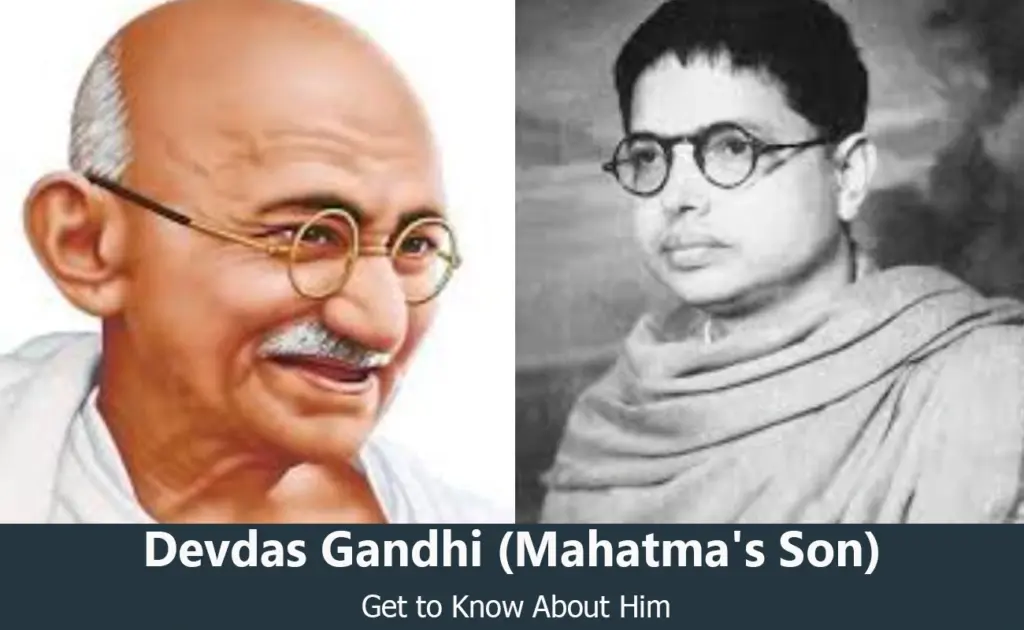
Devdas Mohandas Gandhi was the youngest son of Mahatma Gandhi and Kasturba Gandhi. He was born on May 22, 1900, in Durban, South Africa. At that time, his father was leading protests against racial discrimination.
Devdas grew up in a home filled with political ideas and social work. His childhood was very different from that of most children. Instead of a private family life, he lived in communities built around service and discipline.
When the family returned to India, he spent time in Gandhi’s ashrams. Life there was simple. Everyone shared work, cleaned their own spaces, spun cotton, and joined daily prayers. These experiences shaped Devdas’s character and values from a young age.
Quick Facts About Devdas Gandhi
| Full Name | Devdas Mohandas Gandhi |
| Birthdate
Death |
May 22, 1900
August 3, 1957 |
| Age (at Death) | 57 years |
| Occupation | Journalist, Newspaper Editor, Freedom Movement Participant |
| Husband/Wife | Lakshmi Gandhi |
| Education | Ashram-based education and practical learning under Gandhian principles |
| Parents | Mahatma Gandhi and Kasturba Gandhi |
| Siblings | Harilal Gandhi, Manilal Gandhi, Ramdas Gandhi |
| Children | Rajmohan Gandhi, Gopalkrishna Gandhi, Ramchandra Gandhi, Tara Gandhi Bhattacharjee |
| Net Worth | <$1 million |
Growing Up in the Freedom Movement
Devdas did not follow a typical academic path. Much of his learning came from real-life experiences. He watched leaders discuss politics and social change. He also saw the hardships faced by ordinary people under British rule.
As he grew older, he joined the Indian independence movement. He took part in satyagraha campaigns and accepted imprisonment as part of the struggle. Like his father, he believed in non-violence and peaceful protest.
He also worked to spread the Hindi language across India. Devdas became the first pracharak of the Dakshina Bharat Hindi Prachar Sabha, an organization started in 1918 to promote Hindi in South India. He traveled and taught, helping people learn the language as a tool for national unity.
Career in Journalism
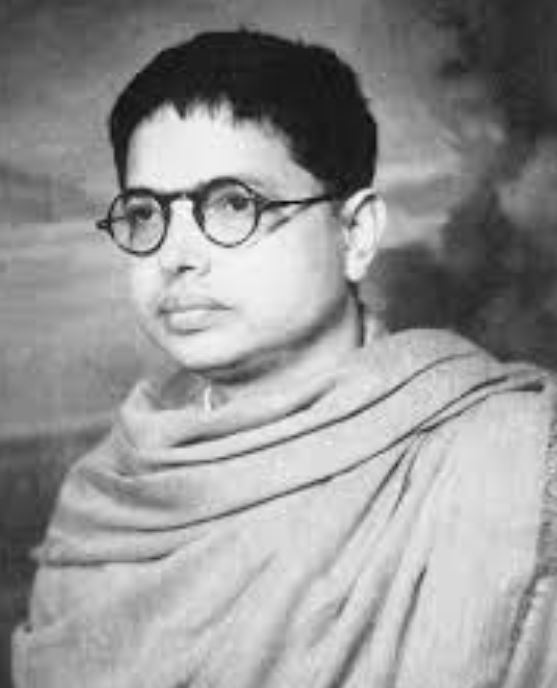
Devdas Gandhi is best remembered for his work in journalism. He joined The Hindustan Times, one of India’s leading newspapers, and later became its editor.
Through his writing, he supported social reform and responsible public debate. His articles were calm and thoughtful. He preferred clear ideas over strong political attacks. At a time when India was moving toward independence, newspapers played an important role, and Devdas helped guide public opinion with balanced reporting.
He also supported education projects. Devdas assisted in the early development of Jamia Millia Islamia, where he taught Hindi and spinning. This work reflected Gandhian ideas of combining education with practical skills.
Marriage and Family Life
Devdas fell in love with Lakshmi, the daughter of freedom fighter C. Rajagopalachari. Because of their age difference, both families asked them to wait several years before marriage. The couple respected this decision and finally married in 1933.
They had four children:
Rajmohan Gandhi — historian and author
Gopalkrishna Gandhi — diplomat and former Governor of West Bengal
Ramchandra Gandhi — philosopher and teacher
Tara Gandhi Bhattacharjee — humanitarian and social worker
Devdas shared a warm and respectful relationship with his father. Many historians believe he remained one of Mahatma Gandhi’s closest companions and supporters.
Later Years and Death
After India gained independence in 1947, Devdas continued working in journalism and public life. He stayed away from active politics but remained committed to social causes and ethical media practices.
He passed away on August 3, 1957, in Mumbai at the age of 57.
READ ALSO: Mahatma Gandhi Net worth, Age, Wife, Family, Facts & More
Legacy
Devdas Gandhi lived a quiet yet meaningful life. He did not seek fame or political power. Instead, he served the nation through writing, education, and public service.
His work helped strengthen Indian journalism during a crucial period in history. He also supported language education and national unity through peaceful efforts.
Today, he is remembered not only as Mahatma Gandhi’s son but also as a thoughtful journalist and dedicated nation-builder who carried forward Gandhian values in his own way.