
Last updated on: January 10, 2026
If you’ve ever found yourself staring at a dessert menu with a mix of excitement and guilt, you’re not alone. As women, many of us grew up hearing that sweets are “bad,” sugar is dangerous, and dessert should be avoided unless it’s a special occasion. For years, I believed the same. Dessert felt like a reward I had to earn… or a mistake I had to “fix” later.
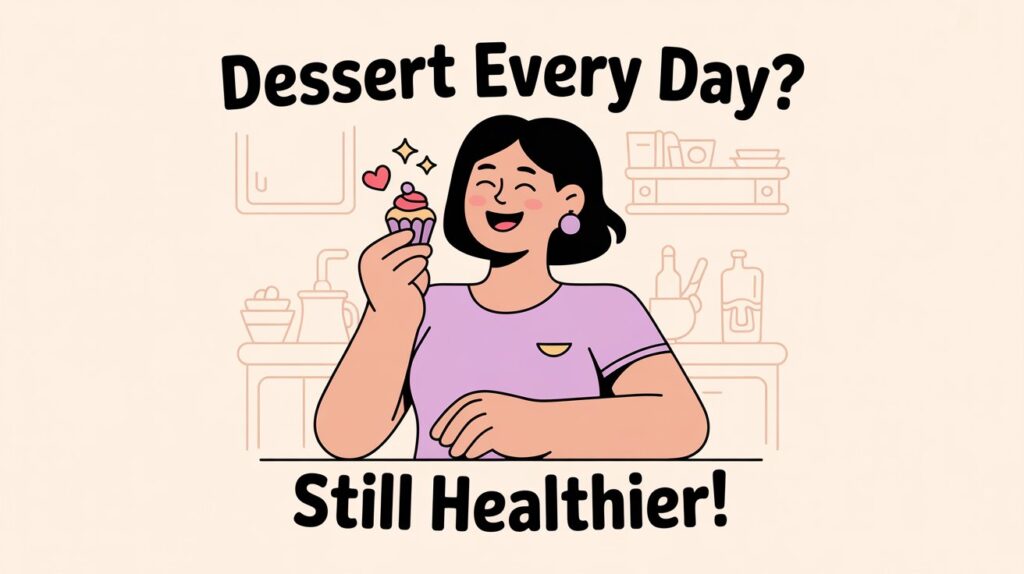
Then one day, I asked myself something simple: What if dessert wasn’t the enemy? What if I allowed myself to enjoy it — every single day — without guilt?
That question turned into a little experiment. And believe it or not, eating dessert daily didn’t ruin my health. It actually made me feel better — emotionally, mentally, and even physically. Here’s everything I learned.
Why We’re Taught to Fear Dessert
Most women I know carry some type of food guilt. From magazines telling you to “burn off that cupcake” to diet trends warning you about carbs, it’s easy to feel like dessert is a dangerous trap.
You might relate to this too:
-
Feeling “good” when you avoid sweets
-
Feeling “bad” when you give in
-
Promising yourself you’ll “start again Monday”
This constant guilt is exhausting. And the more you restrict, the more you crave. It becomes a cycle that leaves you frustrated and disconnected from your own body.
I wanted to break that cycle — gently, intentionally, and without punishment.
Starting the Daily Dessert Experiment
My rule was simple: one dessert a day, every day.
No skipping. No making up for it later. No shame.
But I also didn’t turn it into a free-for-all. I wasn’t eating huge slices of cake every night. Instead, I let myself choose something I genuinely wanted — even if it was small.
Some days it was two squares of dark chocolate.
Some days it was a cookie.
Some days it was ice cream after dinner.
I paid attention to how I felt — not just physically, but emotionally too. And within a week, I noticed something surprising.
The First Big Change: Fewer Cravings
I thought eating dessert daily would make me want more sugar. Instead, the opposite happened.
Because dessert wasn’t “forbidden,” I didn’t obsess over it. I wasn’t thinking about sweets all day or trying to fight cravings. Knowing I could have dessert later made me feel calm around food.
This was huge. I didn’t binge. I didn’t overeat. I just enjoyed.
My Mood Improved (More Than I Expected)
There’s something powerful about choosing enjoyment on purpose. Allowing myself dessert brought a little spark of joy into every day — a pause, a moment of pleasure, a reminder that I’m allowed to enjoy life.
Dessert became my small act of self-care.
A stress reliever.
A moment of comfort.
And when you feel satisfied and not deprived, you’re naturally less irritable, less stressed, and more in tune with your body.
Mindful Eating Came Naturally
Once dessert wasn’t a “cheat,” I slowed down.
I paid attention to flavors and textures.
I stopped eating in a rush or in hiding.
I gave myself permission to enjoy every bite.
This mindfulness spilled over into my meals too. I found myself eating more balanced throughout the day — not because I was forcing it, but because I wasn’t fighting food anymore.
I Even Felt More Confident in My Body
This one surprised me the most.
Removing guilt around dessert made me feel more at peace with myself. I didn’t constantly judge what I ate. I didn’t feel the need to “fix” my body. I started trusting myself again.
For women especially, food and body image are deeply connected. Letting go of guilt brought me a kind of softness — a sense of being kinder to myself.
What Science Says (In Simple Terms)
When you restrict food, your brain sees it as a threat. It increases cravings, stress hormones, and emotional urgency.
When you allow food — especially something enjoyable — your brain feels safe.
Satisfaction increases.
Cravings decrease.
Stress lowers.
Mood improves.
Moderation usually works better than restriction. And feeling happy around food is actually good for your well-being.
The Simple Rules That Made This Work
I didn’t follow a strict plan, but these guidelines kept everything balanced:
1. Dessert Was Small
Not tiny, not huge — just enough to feel satisfied.
2. I Ate Normal Meals
I made sure to include protein, fiber, and healthy fats so my blood sugar stayed steady.
3. I Didn’t Use Dessert for Stress
If I had a stressful day, I didn’t run to sweets first. Dessert was pleasure, not coping.
4. I Chose Things I Truly Enjoyed
No “diet desserts” or sad snacks. Real joy, real flavor.
What Didn’t Happen (Important!)
I didn’t gain weight overnight.
I didn’t lose control.
I didn’t start craving dessert all day.
I didn’t feel sluggish or unhealthy.
Instead, everything became more balanced. My relationship with food felt lighter. My body felt calmer.
Who This Approach Is Good For
This daily dessert idea can help you if:
-
You struggle with all-or-nothing dieting
-
You often restrict and then binge
-
You feel guilty about eating sweets
-
You want a healthier relationship with food
-
You want your wellness routine to feel joyful, not stressful
If you have medical conditions like diabetes or an eating disorder, talk to a professional first. Your body may need a different approach.
How You Can Try It Too
If you’re curious, try this for just one week:
Step 1: Choose a dessert you love
It can be tiny. It should bring real joy.
Step 2: Eat it once a day
At a time that feels good — after lunch, after dinner, whenever.
Step 3: Slow down
Taste it fully. Enjoy the moment.
Step 4: Pay attention
Notice your mood, cravings, hunger, and energy.
You might be surprised by what changes.
Final Thoughts: Joy Is Part of Health
Eating dessert every day taught me something that every woman deserves to hear:
Healthy living shouldn’t feel like punishment.
Joy matters. Pleasure matters. You matter.
When you stop fighting food, your mind relaxes.
When you stop restricting, your body balances itself.
And when you give yourself small moments of happiness, your whole life feels lighter.
So if you’ve been craving dessert lately, maybe you don’t need to resist it.
Maybe you just need to enjoy it — slowly, intentionally, and without guilt.
And who knows?
You might feel healthier too.