
Last updated on: January 24, 2026
If you’re anything like me, bread has always been that warm, comforting friend you reach for without even thinking. Toast in the morning, a quick sandwich at lunch, and maybe a soft dinner roll at night—it just seems to slide into your day so easily. For years, I thought nothing of it. But when I started noticing constant bloating, random stomach cramps, and that heavy feeling after meals, I began to wonder if bread was part of the problem.
So, I did something bold for a total bread-lover:
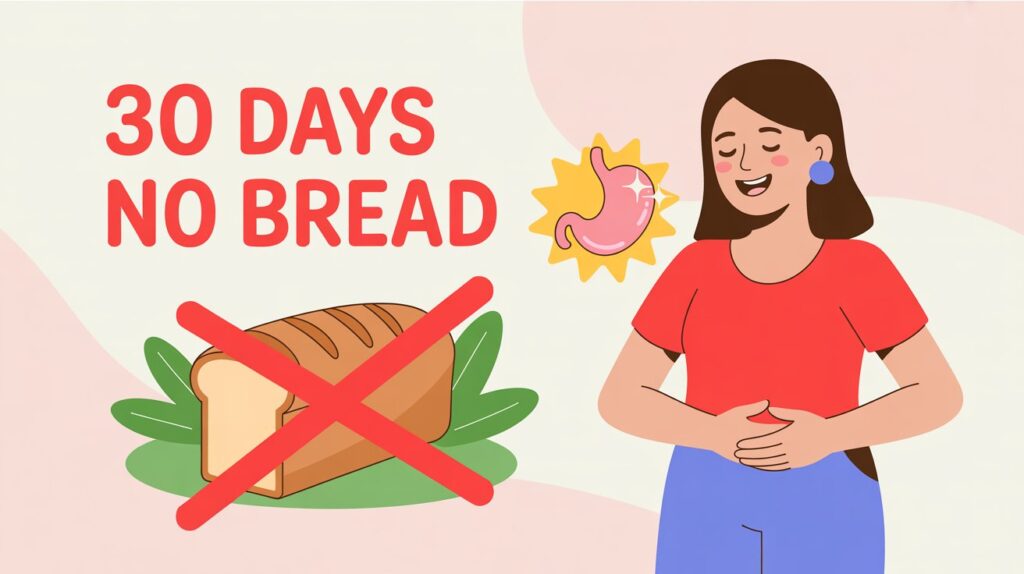
I gave it up for 30 days.
And I’m not exaggerating when I say my stomach thanked me.
This is what happened when I stepped away from bread—and what you might notice too if you ever try it.
Why I Finally Said “Enough”
It started with a simple pattern: no matter what I ate, my stomach reacted the same way—tight, gassy, bloated, uncomfortable. And the worst part? I couldn’t predict when it would happen. Some days were fine, others were miserable.
I kept hearing from other women about gluten sensitivity, gut inflammation, and how some foods can quietly mess with your hormones and digestion. Bread came up again and again. I didn’t think I had any real gluten issues, but I was curious. I wanted answers. I wanted relief.
So I decided—just 30 days, no bread. Not forever. Just enough time to see if something changed.
Week 1: The Cravings Were Real
The first week was honestly the hardest. Bread is everywhere. You don’t realize how much you grab it until you suddenly can’t.
Here’s what I felt during Week 1:
-
Strong cravings, especially at night
-
Slight irritability (yes, “bread mood swings” are real)
-
A weird emptiness at meals—like something was missing
-
A little more hunger than usual
My stomach, however, reacted quickly. Within three days, I noticed I wasn’t as puffy. I wasn’t holding on to water like I normally did. I also became more aware of how often I reached for food out of habit, not hunger.
To survive Week 1, I focused on simple swaps: eggs instead of toast, rice bowls instead of sandwiches, fruit instead of pastries. And drinking more water helped quiet a lot of those cravings.
Week 2: A Lighter Stomach and Clearer Skin
By the second week, things got interesting. Not only did my stomach feel lighter, but my skin also started looking calmer. I had fewer breakouts, and the redness I usually had around my chin started fading.
My stomach felt less swollen after meals, and my digestion felt a little more predictable. I wasn’t running to the bathroom, and I wasn’t uncomfortable after eating. For the first time in a long time, I felt in control.
My energy leveled out too. I didn’t get that mid-afternoon crash where I wanted to curl up under my desk. I just felt… steady.
Week 3: A Flatter Belly and Better Digestion
Week 3 was where I saw the biggest changes. My belly felt flatter—not “I lost 20 pounds” flat, but more like I wasn’t constantly bloated and bulging out of my jeans. My digestion felt smoother, calmer, and honestly, kind of effortless.
I also noticed:
-
Less gas
-
Less discomfort after meals
-
No random stomach cramps
-
A slimmer, more toned waistline
It felt like the inflammation in my gut had finally died down. And it made me realize how much bread had been affecting me without me even noticing.
Week 4: Freedom From Cravings
By the fourth week, something amazing happened:
I stopped craving bread altogether.
That shocked me more than anything. After years of relying on it, I suddenly didn’t even want it.
My meals felt more intentional. I could tell when I was truly hungry and when I was just bored. I didn’t feel weighed down after eating. My stomach stayed calm. And my sleep was better too—less bloating at night meant I actually felt comfortable lying down.
This last week felt like a reset—not just for my gut, but for how I looked at food in general.
What I Ate Instead
In case you’re wondering what a no-bread month actually looks like, here’s what helped me stay on track:
Breakfast
-
Greek yogurt bowls
-
Smoothies
-
Eggs with veggies
-
Oatmeal with fruit
Lunch
-
Lettuce-wrap chicken or tuna
-
Quinoa bowls
-
Veggie soups
-
Leftover protein + veggies
Dinner
-
Grilled chicken or fish
-
Stir-fried veggies
-
Rice or potatoes
-
Bean and veggie bowls
Snacks
-
Nuts
-
Fruits
-
Rice cakes
-
Yogurt
Simple, filling, easy.
The Science Behind It (In Simple Words)
You don’t have to be a scientist to understand why giving up bread can make your stomach happier. Here’s what I learned in normal, real-girl language:
1. Bread can cause bloating.
A lot of bread contains gluten, yeast, sugar, and additives that can trigger bloating—especially for women with sensitive stomachs.
2. Bread holds water.
Carbs make your body store extra water, which can make your belly feel heavy and swollen.
3. Your gut might react to FODMAPs.
Some breads have fermentable carbs that bubble up in your gut and cause gas.
4. Hormones matter.
Women often notice digestive issues around their cycle, and bread can make those symptoms stronger.
All of this made sense once I started feeling the difference.
So… What Happened When I Ate Bread Again?
After 30 days, I slowly reintroduced bread. And wow—my body spoke up instantly.
I wasn’t doubled over in pain, but I did notice:
-
Mild bloating
-
A heaviness in my stomach
-
A little gas
-
That old puffiness coming back
It wasn’t dramatic, but it was enough to realize that bread affects me more than I thought.
Interestingly, sourdough and some gluten-free breads didn’t make me feel as bad. So now, I stick to those when I really want bread.
Should You Try It?
You don’t need a medical condition or a doctor’s order to try a simple 30-day test. If you’ve been dealing with:
-
Bloating
-
Gas
-
Stomach cramps
-
Heavy digestion
-
Low energy
-
Unpredictable bathroom changes
…then cutting bread for a month might be worth it.
But don’t try it if:
-
You’re underweight
-
You have a restrictive eating history
-
Your doctor advises against elimination diets
If you try it, listen to your body—not the scale, not the internet, not anyone else.
My Final Thoughts
Giving up bread for 30 days wasn’t easy, but it gave me something I didn’t expect:
control and clarity.
My stomach felt calmer. My digestion felt smoother. My cravings faded. And I finally understood what foods make me feel my best.
You don’t have to swear off bread forever. I didn’t. But taking a break helped me build a new relationship with it—and with my body.
If you’ve been feeling stuck, swollen, or uncomfortable, maybe your stomach is trying to tell you something too.
Sometimes, giving up one small thing can give you back so much more.