
Last updated on: February 2, 2026
If you’re anything like me, you’ve probably stood in the beauty aisle, staring at dozens of moisturizers, wondering what on earth all those chemical names mean. I’ve always tried to take care of my skin, but over the past year, I found myself craving something simpler — something that felt cleaner, closer to nature, and easier to understand.
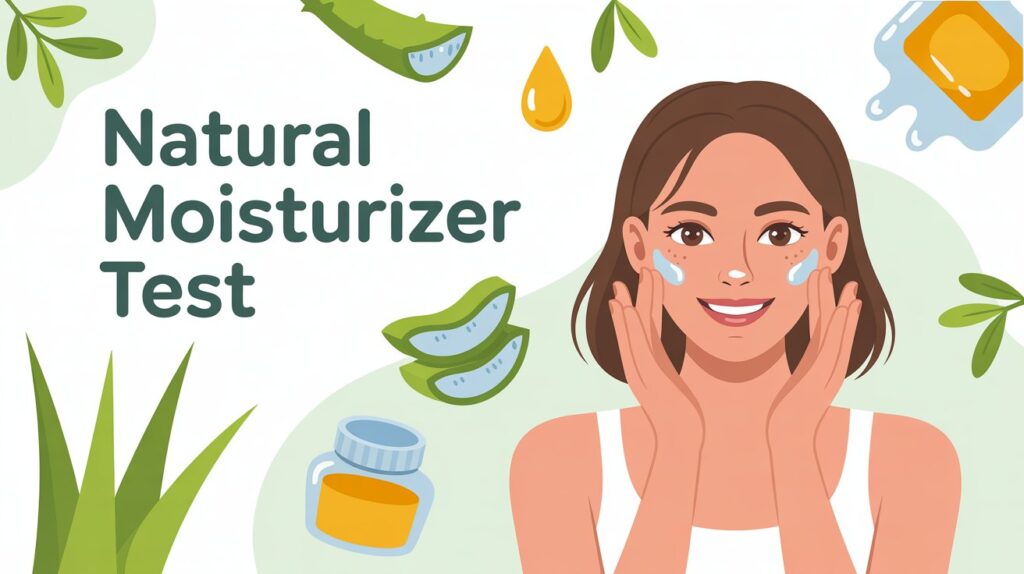
So I made a decision: for an entire month, I would ditch all my regular moisturizers and use only natural moisturizers. Oils, butters, gels, and ingredients I could actually recognize without googling. I wanted to see what would happen — not just to my skin, but to the way I felt about my routine.
Here’s what actually worked, what didn’t, and what surprised me the most.
What I Considered a “Natural Moisturizer”
Before I started, I had to define my own rules. For this experiment, I used ingredients that come directly from plants and don’t need a long list of additives to work. Things like:
-
Aloe vera gel
-
Coconut oil
-
Shea butter
-
Honey
-
Jojoba oil
-
Olive oil
-
Rosehip seed oil
Basically, if my grandmother could have used it, it made the list.
I also did patch tests for everything — because “natural” doesn’t automatically mean “safe for everyone.”
My Skin Type and How I Tested Everything
My skin is combination — oily around my T-zone, normal everywhere else, and occasionally dry in winter. I tested each natural moisturizer for at least 3–4 days to see how my skin reacted.
I judged each product by:
-
Hydration
-
Greasiness
-
Absorption
-
Breakouts or irritation
-
Makeup compatibility
-
Overall feel
Let’s get into the results because some shocked me.
The Natural Moisturizers I Tried
1. Aloe Vera Gel
Aloe vera was the gentlest start. It felt cool, light, and fresh. My skin drank it instantly — almost too fast, honestly. I loved how soothing it felt in the morning, especially after a night without AC.
Best for: oily, sensitive, irritated skin
My experience: great for daytime, but not moisturizing enough at night
2. Coconut Oil
I’ll be honest — I went into this one with mixed feelings. Coconut oil is beloved online, but also blamed for breakouts. It felt rich and buttery, but it did sit on top of my skin for a while.
By the second night, my skin felt soft and cushioned, but on the fourth day, I noticed a few tiny clogged pores. Nothing dramatic, but enough to make me careful.
Best for: dry skin, body moisturizing
My experience: amazing for my legs, a little heavy for my face
3. Shea Butter
Shea butter is one of those ingredients that feels like a warm hug. It’s thick, creamy, and honestly perfect for winter skin. I used it mostly at night, and I woke up feeling like my face had retained every drop of moisture.
But during the day? A bit too heavy under makeup.
Best for: dry and flaky skin, harsh climates
My experience: great night moisturizer, not for daytime use
4. Raw Honey
Yes — I put honey on my face. And yes, it felt weird at first. But honey is a natural humectant, and my skin absolutely loved it. I used it as a nighttime mask, leaving it on for about 20 minutes before rinsing.
My skin looked brighter and calmer the next morning. I even used it on a small hormonal breakout, and it reduced the redness.
Best for: dull, irritated, or acne-prone skin
My experience: surprisingly soothing and brightening
5. Jojoba Oil
If I had to pick one oil to marry, it would be jojoba. It’s lightweight, non-greasy, and almost identical to your skin’s natural oils. It absorbed beautifully, didn’t clog my pores, and made my skin feel balanced.
This was the first natural moisturizer I could use morning and night without issues.
Best for: combination, oily, and acne-prone skin
My experience: a true everyday moisturizer
6. Olive Oil
Olive oil felt like shea butter’s older, wiser sister. It’s rich but absorbs slowly. I used it on nights when my skin felt tight or stressed. It softened dry patches almost instantly.
But it’s definitely too heavy for daytime.
Best for: very dry, mature, or winter skin
My experience: a comforting nighttime oil, not a daytime option
7. Rosehip Seed Oil
If jojoba oil is the reliable best friend, rosehip oil is the friend who brings glamour. Rosehip oil felt luxurious but still lightweight. Over a few days, I noticed my skin looked a little brighter and smoother, especially around areas where I usually get dullness.
It also layered beautifully under makeup.
Best for: aging skin, dark spots, dullness
My experience: my second favorite — great glow boost
So… What Worked Best? My Honest Ranking
After a full month of testing, here’s what I discovered:
Top Performers
-
Jojoba oil – Best all-around moisturizer
-
Rosehip seed oil – Best for glow and evening out skin tone
-
Aloe vera – Best for mornings and calming sensitivity
Best for Dry Skin
-
Shea butter
-
Olive oil
-
Coconut oil (face optional, body amazing)
Best for Acne-Prone or Oily Skin
-
Jojoba oil
-
Aloe vera
-
Honey (as a mask)
What I Wouldn’t Use Every Day
-
Coconut oil (face)
-
Shea butter (daytime)
-
Olive oil (daytime)
Everything had its place — but some definitely performed better than others.
Tips If You Want to Try Natural Moisturizers
If you’re thinking about trying this yourself, here’s what I learned:
-
Patch test first. Even natural things can irritate your skin.
-
Use less than you think. Natural moisturizers are more concentrated.
-
Morning = lightweight. Night = rich. Save heavy oils for bedtime.
-
Mix aloe vera with oils. This creates the perfect balanced moisturizer.
-
Store oils properly. Keep them away from heat and sunlight.
Is Going 100% Natural Worth It? My Final Thoughts
After a month of only natural moisturizers, something surprising happened — not only did my skin feel healthier, but I felt healthier. There was something so calming about using products I could understand and pronounce.
Will I stay 100% natural forever? Probably not. I still love a good, well-formulated moisturizer from the store. But will I keep using natural moisturizers in my routine? Absolutely.
If you want to simplify your beauty routine, save money, or just reconnect with ingredients that feel closer to the earth, this experiment is 100% worth trying. Your skin might surprise you — mine definitely did.