
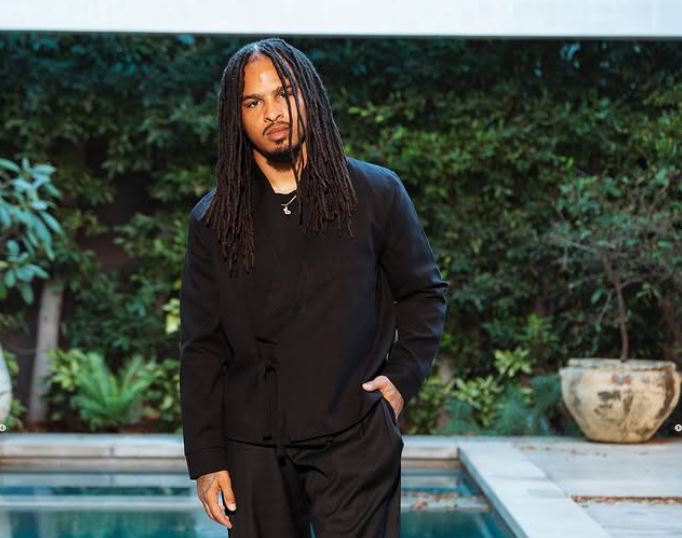
Last updated on: December 24, 2025
If you’ve been scrolling through TikTok in the past couple of years, you’ve probably seen Keith Lee‘s name popping up everywhere. The viral food critic with the calm, deadpan delivery and sincere food reviews has become one of social media’s most beloved personalities. But his journey to becoming a household name isn’t your typical influencer story. It’s a story about resilience, authenticity, and how one person’s honesty can genuinely change people’s lives.
What makes Keith Lee different from the thousands of other content creators out there? In a digital world crowded with fake reactions, exaggerated expressions, and people trying to be something they’re not, Keith just… is himself. He speaks slowly and thoughtfully. He’s honest about food—sometimes brutally honest. He cares about small business owners and their struggles. And maybe most importantly, he’s genuinely kind to people.
Why are people who didn’t know about him before suddenly searching his name? Because the “Keith Lee Effect” is real. When he reviews a restaurant, it sells out within hours. When he gives something a 10 out of 10, people travel across the country to try it. When he tears up because a food truck owner’s burger is so good, you tear up too. He’s turned the food review game into something deeply human, and that authenticity is exactly what people are hungry for right now.
As of March 2026, Keith Lee is 29 years and 5 months old. His estimated net worth is $4 million, and he is 5 feet 11 inches (180 cm or 1.8 m) tall.
Keith Lee Bio / Wiki
Full Name: Keith Lee
Date of Birth: October 4, 1996
Age: 28 years old
Birthplace: Detroit, Michigan
Nationality: American
Current Profession: TikTok Content Creator, Food Critic, former Professional Mixed Martial Artist
Famous For: Authentic, unfiltered food reviews on TikTok with over 17 million followers; helping small businesses gain massive exposure through honest critiques; being named TikTok’s First U.S. Creator of the Year in 2025
Early Life and Background
Keith Lee’s story doesn’t start with going viral. It starts in Detroit, Michigan, in a close-knit household where his parents taught him the values of hard work and staying true to what’s right. Growing up in the Motor City—specifically around Seven Mile and Outer Drive—meant growing up in a place with real struggles but also real strength.
But Keith’s childhood wasn’t all about learning good values and moving forward. By his own admission, his early years were difficult. He battled anxiety and depression from a young age, feelings that would follow him into his teenage years and beyond. In school, things were rough. He got expelled from multiple schools. He clashed with teachers, classmates, and even family members. His communication skills were poor, his confidence was shot, and by 16, he felt like a liability to everyone around him.
Here’s the thing—he wasn’t lacking opportunities. He just didn’t know how to take them because his mental health was in the way. At 16, after ongoing disputes with his father, Keith was asked to leave home. He was alone. No safety net. No clear direction. Just a teenager trying to figure out how to survive.
His older brother Kevin was different. Kevin was a natural athlete, a wrestler, someone the teachers praised. Kevin eventually made it to the UFC—basically the NFL equivalent for MMA fighters. Meanwhile, Keith was struggling just to get through the day. There was always this feeling of being in Kevin’s shadow, of not measuring up, of being the brother who didn’t quite make it.
But Kevin didn’t abandon him. When Kevin saw Keith spiraling into one of his darkest depressions after the family moved to Las Vegas, he literally dragged him to the gym. That one action—a brother recognizing his sibling was drowning and throwing him a lifeline—became the turning point.
Beyond his brother, Keith had his father in his corner too. While their relationship was rocky at times, his dad understood struggle. He’d been a street fighter back in his day, and he taught both his sons about self-defense and discipline from an early age. Later in life, when Keith spoke about his darkest moments on the “Club Shay Shay” podcast, he credited his father with helping him uplift himself out of what he called “deep dark depression.”
Life Before Fame
Before Keith Lee became the guy who could make a food truck owner cry tears of joy, he was just another person trying to get by. And the path to getting by wasn’t glamorous.
After graduating from Southfield High School in 2014, Keith headed west to Las Vegas with dreams like everyone else. His first job? He was a sandwich artist at Jimmy John’s for the summer. Not exactly the kind of work that pays your bills or sets you up for success, but it was a start.
He tried college. He enrolled to study sports science, thinking maybe academia was his path. But college had other plans. Keith couldn’t afford his tuition. He got kicked out. That’s the real story that doesn’t make it into the success narrative—sometimes you want to do something, but life doesn’t cooperate.
So he did what he knew: he fought. From around age 18 onwards, Keith became serious about Mixed Martial Arts. His brother Kevin was in the UFC by then, and while that was intimidating, it also showed Keith that fighting was possible. He trained hard. Really hard. He turned professional in 2017, fighting under the nickname “Killa.” He made his Bellator debut in 2018 and picked up a win at Bellator 239.
But here’s the reality of being a professional fighter trying to support a family: it doesn’t pay the bills. Keith was training, fighting, delivering packages as a delivery driver, and still struggling to make ends meet. By 2020, he and his wife Ronni were on SNAP benefits—federal food assistance for low-income people. That’s the real struggle that nobody talks about when they discuss his success. He was a professional athlete, but he was poor.
Then the pandemic hit. His wife was pregnant. Keith was stuck at home, still fighting his anxiety, still dealing with his depression. He looked at himself in the mirror and made a decision. He was tired of being nervous during interviews. He was tired of stumbling over his words. He was tired of letting his mental health run his life.
What changed wasn’t his circumstances. What changed was his mindset. He decided to use social media as a tool to work through his anxiety, not to become famous, but to literally train himself to speak better, to slow down, to manage his nerves. That’s the origin story nobody really talks about. This wasn’t about chasing clout. This was about survival and self-improvement.
How Keith Lee Became Famous
The viral moment happened in December 2022. But before we get to that, it’s important to understand that Keith had been grinding on TikTok since November 2020. For over two years, he posted content that barely anyone saw. He posted cooking videos. He posted family content. Then he started documenting his life as a delivery driver and fighter. For two years, nobody cared. He wasn’t blowing up. He wasn’t getting millions of views. He was just a guy making videos to help his anxiety.
Around late 2022, he pivoted. Instead of just posting about his family and cooking, he started reviewing the local restaurants he’d visit while delivering food in Las Vegas. He’d order something, eat it, and give an honest assessment. He wasn’t trying to be funny. He wasn’t trying to create drama. He was just being real.
Then one day in December 2022, he went to a place called the 303 in the Cut food truck in Las Vegas. He ordered a cheesecake sandwich. He filmed himself trying it, and he gave an honest review. He said it was a 9 out of 10 without sauce and a 10 out of 10 with the sauce. He wasn’t exaggerating. He wasn’t performing. He just genuinely loved it.
The next morning, that video had over 6 million views. By the next day, it had collected 30 million views. The owner of the food truck called him up and said that the line was stretching across two parking lots. Two parking lots. Because of one honest review.
Within a week, Keith had eight million followers. Within a month, he had 13 million. His mom woke him up and said, “Keith, you’re on the news.” And that’s when everything changed.
Why did it blow up the way it did? Because people were hungry for authenticity. In a world where influencers are always performing, always exaggerating, always selling something, Keith just… was honest. If food was good, he said so. If it wasn’t, he said that too. He didn’t have special effects. He didn’t have fancy camera work. He just sat in his car and told you the truth.
He also made it clear he wasn’t interested in special treatment. He’d pay for his own meals. He’d visit places like a normal customer. He didn’t want the owner’s nephew running him food first. He wanted the real experience. That integrity—that refusal to be bought or compromised—made people trust him in a way they’d never trusted an influencer before.
Keith Lee on TikTok
If you’ve watched even one Keith Lee video, you know his style immediately. He rolls up to a restaurant. He orders. He sits in his car. He films himself eating. His content formula is almost boringly simple: “I got it, let’s eat it, rate it.”
But that simplicity is the genius. There’s no jump cuts. There’s no fake energy. There’s no “hey guys, smash that like button.” He just eats the food while giving his thoughts in that calm, monotone voice of his. Sometimes he rates individual items on the plate. Sometimes he rates the whole experience. Always, he’s fair. If something’s not up to par, he’ll say it’s a 4 out of 10, but he’ll explain why in a way that feels constructive, not mean.
His deadpan delivery became iconic. When he discovers that food is incredible, his face barely changes, but there’s something in his eye that tells you he’s genuinely moved. When he says something’s perfect, you believe him. When he tears up—and he does tear up sometimes when the food or the story is really touching—it hits different. You know he’s not acting.
People trust Keith Lee’s reviews in a way they don’t trust traditional food critics. Why? Because he’s not trying to be an expert. He’s a regular person giving his opinion. He’ll try something and say, “I’m not an expert in this type of cuisine, but from what I know…” He’s humble about what he doesn’t know. And paradoxically, that humility makes him more credible.
He also has this incredible ability to make restaurants feel like they matter. Small mom-and-pop shops that have been serving their communities for years but never got recognition—Keith shows up, tries their food, and suddenly the world is watching. For a lot of business owners, that moment changes their lives.
Major Breakthrough Moment
The 303 in the Cut food truck wasn’t just his breakthrough. It was the moment that proved the “Keith Lee Effect” was real. But the real breakthrough for his credibility came later.
In 2024, Keith Lee was named to the Forbes 30 Under 30 list in the Food & Drink category. That’s the kind of validation that matters in mainstream media. It said: this kid isn’t just a TikTok phenomenon. He’s actually influencing the food industry.
But the biggest moment came in December 2025, when TikTok announced its first-ever U.S. Creator Awards. Keith Lee was named Creator of the Year. Think about that for a second. Out of hundreds of millions of creators on TikTok, out of people with massive followings doing every conceivable type of content, TikTok chose Keith Lee as the creator who best represents what the platform is about.
During his acceptance speech, he thanked his wife Ronni. He got emotional talking about where he’d come from and what this meant to him. TikTok announced they would donate $50,000 to Feeding America in his honor, tying his award to his values and his mission.
This was the moment he crossed from being a viral creator to being a mainstream celebrity. He wasn’t just popular on TikTok anymore. He was mainstream news. He was getting recognition from major brands. He was being taken seriously by the industry.
Keith Lee’s Impact on Small Businesses
The “Keith Lee Effect” is now a real, documented phenomenon in the restaurant industry. And it’s not just hype—it’s measurable business impact.
Take The Puddery in Pearland, Texas, a tiny banana pudding shop. The day Keith Lee visited, they had five customers. The next day, after his video went up, they had 130 customers and sold out completely. Now their baseline customer count never dips below 130 daily. On weekends, they see between 200 to 250 people. The owner, who people call “Ms. Puddin’,” now has a signature item called the “Keith Lee Croffle.” Her entire business trajectory changed in one day.
Easy Street Burgers in Los Angeles got similar treatment. One review from Keith, and suddenly people were traveling across the city to get a smashed burger. The owner started planning expansions. One video changed everything.
The 303 in the Cut food truck owner reported astronomical sales increases after Keith’s review went live. A food truck owner who was barely getting ten customers a day suddenly had lines around the block.
Gary Shanks, who runs the Southern Taste Seafood Truck in Las Vegas, got visited by Keith Lee. Gary was barely making $50 to $200 a day before Keith showed up. After the video? He saw a 900% increase in revenue. He had to call his girlfriend and son to help manage the business. Customers started traveling to his food truck from Arizona, California, New York—places that had never heard of his truck before one TikTok video.
But here’s the thing that makes Keith different from other influencers who have impact: he actually cares that the impact is real and lasts. When he visited Gary’s truck, he didn’t just film and leave. He came back. He paid for the meal. He gave money to help Gary continue giving back to the community. He was genuinely invested in making sure the impact was positive and sustainable.
As of 2024, Keith had reviewed 224 restaurants. TikTok reported that the platform contributed $6.4 billion to GDP in the food and beverage sector, and a huge portion of that was directly driven by creators like Keith who have genuine engagement with their audiences.
Business owners started calling it the “Keith Lee Effect” because it became so predictable: honest review from Keith = exponential business growth. Small restaurants that had been struggling for years, family-owned spots that couldn’t compete with chains, suddenly had a fighting chance. And it wasn’t because Keith was promoting them. It was because he was telling the truth about them.
Personal Life
Keith Lee is married to Ronni Lee, and unlike a lot of influencer relationships, their partnership is clearly built on genuine connection and support. They got married in 2016, before Keith was famous, before TikTok, when they were both just trying to make it. That matters, because it means Ronni knows who Keith is without the followers and the brand deals.

In fact, Keith credits Ronni with a huge part of his success. She’s the one who encouraged him to start doing food reviews. When he was struggling with how to make content, she was there pushing him. When he had a viral moment, she was there celebrating. She’s not some influencer playing a wife for the camera. She’s in his life, making decisions with him, appearing in his videos when it makes sense.

They have three children together now. Their two daughters are Karter (4 years old) and Riley (2 years old). In September 2025, they welcomed their third child, a baby boy named Kardigan Marcus Lee. Keith had been documenting Ronni’s pregnancy cravings on social media, sharing the real, funny moments of preparing for a new baby.
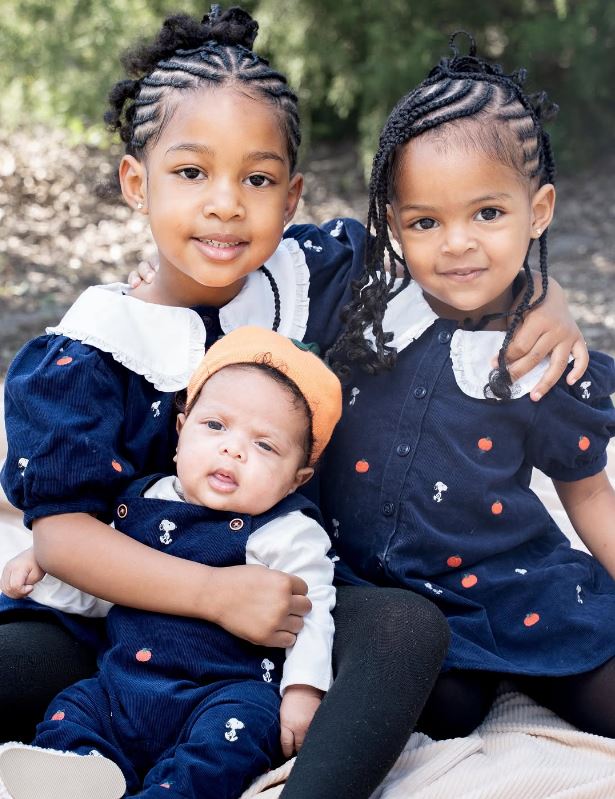
Keith frequently includes his family in his content, and it’s never felt forced or performative. You see Ronni in the passenger seat sometimes. You see clips of the kids. He talks about them in interviews. He created a hashtag “#FamiLEE” because for him, his family is genuinely at the center of everything he does.
One of the most touching moments was when he did a video at Jamaican Jerk Biz in Atlanta. The owner, Ayanna Chambers, had been asking for a review for a year. When Keith finally showed up, he was genuinely moved by her story and her food. He left a tip that matched the total sales the restaurant had made that day. That’s the kind of person he is. Not because the cameras are rolling, but because he actually cares about other people’s struggles.
His brother Kevin, the UFC fighter, occasionally appears in his content too. It’s a full-circle moment because it was Kevin who dragged Keith to the gym when he was suicidal with depression. Now they’re both successful in their own ways, and they support each other publicly.
Health Journey and Personal Challenges
This is probably the most important part of Keith Lee’s story, and it’s what makes him different from every other influencer. He’s openly discussed his mental health struggles, and he hasn’t shied away from it even as he’s become more famous.
Keith has battled anxiety and depression for most of his life. This isn’t something he discovered recently or something he’s overcome and moved past. It’s something he actively manages. He’s talked about how during his worst periods, he wouldn’t cut his hair, wouldn’t leave his apartment, wouldn’t maintain basic hygiene. He was in a dark place.
When he started making TikTok videos, it wasn’t because he suddenly believed in himself. It was because he was deliberately trying to improve his public speaking and overcome his anxiety. He realized that the fastest way to get better at speaking slowly and clearly was to force himself on camera. It was therapeutic intervention disguised as content creation.
He’s also spoken about his struggles to find routine and purpose after his fighting career started to wind down. When you’re an athlete with structure—training schedules, fight dates, purpose—and then that’s gone, it can destroy you mentally. Keith knows this. He’s lived it. That depression he went through after his Bellator contract ended wasn’t weakness. It was a very real consequence of losing his structure and his identity.
What makes this powerful is that he talks about it. He went on podcasts and shared his story. He let people know that even though he has millions of followers, he still battles these things. That’s incredibly valuable to people who are struggling because it says: you’re not alone. Even someone who made it, even someone who’s successful, still deals with this.
He’s also talked about how his wife has been crucial to his mental health journey. Having a partner who understood his struggles and didn’t judge him for his anxiety or depression made all the difference. Having family who loved him unconditionally—especially his brother showing up when he was at his lowest—literally saved his life.
Keith Lee’s Net Worth
As of 2025, Keith Lee’s estimated net worth is between $2.5 million and $4 million, with most estimates settling around $4 million. This is a remarkable figure when you consider that just three years ago, he was on food assistance benefits. That’s not an exaggeration—that’s not hyperbole for the sake of a good story. In 2020 to 2022, Keith Lee and his family qualified for SNAP benefits. Three years later, he’s a millionaire.
How did the valuation grow so quickly? Well, a few factors:
First, the TikTok creator economy is real money. TikTok pays creators through their Creator Fund based on views and engagement. With 17 million followers and billions of lifetime views, Keith’s Creator Fund earnings alone are substantial.
But most of his income isn’t coming from TikTok directly. It’s coming from brand partnerships and sponsorships. That’s where the real money is for creators at his level.
How Keith Lee Makes Money
Let’s break down the actual revenue streams because this is important. Understanding how Keith monetized his platform is relevant to anyone interested in building their own creator business.
TikTok Creator Earnings: TikTok’s Creator Fund pays between 0.02 to 0.04 cents per view on average. With videos regularly hitting 10+ million views and accumulating over 721.9 million lifetime likes, even at conservative estimates, this is hundreds of thousands of dollars annually. But this is actually the smallest piece of his income.
Brand Partnerships and Sponsorships: This is where the real money comes in. Keith has partnered with major brands including:
-
Chipotle (recurring deals)
-
Pizza Hut (created the “FamiLEE Community Pizza” with a $50,000 donation to his alma mater)
-
Hyundai (luxury brand partnerships pay significantly)
-
Pepsi (major beverage brand)
-
CeraVe (skincare brand partnership in the “Goat’d by the People” campaign)
-
DoorDash
-
Gatorade
-
Wingstop
-
Microsoft
-
American Express (shop small grants program partner)
-
Toast (point of sale system – $150,000 restaurant giveaway campaign)
Each of these partnerships is worth somewhere between $50,000 to $500,000+ depending on the scope. When you’re at Keith’s level, brands are paying premium rates because they know his audience actually engages.
Live Events and Appearances: Keith has been signing for appearances, meet-and-greets, and panel discussions. In September 2025, he signed with UTA (United Talent Agency), one of Hollywood’s major talent agencies, specifically to develop opportunities in “production, consumer products, live events, and touring.” This suggests he’s planning larger-scale events and possibly tours, which would generate substantial revenue.
Content Creation Company – FamiLEE Media: Keith founded his own production company, FamiLEE Media (note the spelling—it’s a play on his family being his business and his identity). This company handles his brand partnerships and digital content strategy. Having a production company allows him to negotiate better rates with brands and maintain more control over his content.
Affiliate Partnerships: While not explicitly stated, creators at his level typically make money from affiliate links and partnerships with platforms like DoorDash, which he’s known to partner with.
The math on his net worth is actually pretty straightforward if you do the calculation: A creator with his level of engagement can make $1 million+ per year in good years. He’s been at major success for about three years now. So $2.5 to $4 million is actually conservative.
What’s remarkable is not just how much money he makes, but how clean the money is. He partners with brands he actually believes in and uses. His wife uses CeraVe, so that partnership made sense. He eats at restaurants, so restaurant-adjacent partnerships (like DoorDash, Toast, American Express small business program) align with his actual content.
Keith Lee’s Influence Beyond Social Media
One of the clearest signs that Keith Lee has transcended TikTok is how seriously mainstream media and institutions take him.
He’s been on national news. He’s been interviewed by major publications like Rolling Stone, Forbes, People, and Business Insider. His Atlanta restaurant tour alone generated so much buzz that celebrities like Cardi B were weighing in on the drama and conversations it sparked.
Forbes put him on the 30 Under 30 list in 2024. That’s significant because Forbes 30 Under 30 is one of the most prestigious recognition lists for young professionals and creators. It’s not about follower count. It’s about actual impact.
He’s been invited to speak at major industry conferences about entrepreneurship and content creation. He appeared at South by Southwest (SXSW) to speak about creator entrepreneurship. He’s being treated as a thought leader, not just an entertainer.
TikTok itself—the platform that made him famous—chose him as its first U.S. Creator of the Year. That’s the company saying, “This is what we stand for.”
Major brands are taking him seriously enough to build entire campaigns around him. When American Express launches a small business initiative, they partner with Keith Lee because they know he actually cares about small business. When Pizza Hut wants to create a limited-time offering, they do it with Keith and donate $50,000 to education in the process.
The UK media and public got to witness the “Keith Lee Effect” when he traveled to the United Kingdom and London to review food. While he got some pushback from locals who felt he didn’t appreciate certain traditional British foods (he called Yorkshire pudding “a side of bread”), the broader impact was still massive. He brought international attention to local restaurants, even while sparking interesting cultural conversations about food criticism.
Media outlets are starting to cite the “Keith Lee Effect” as an actual business phenomenon. Academic discussions about influencer marketing now reference Keith Lee as an example of authentic influence vs. performative influence.
Controversies and Criticism (If Any)
To keep this article balanced and trustworthy, it’s important to talk about the moments where Keith has faced backlash, because they exist, and how he’s handled them matters.
The Atlanta Controversy: When Keith visited Atlanta, his reviews were more critical than usual. He highlighted restaurants with seemingly arbitrary rules, poor customer service, and dining room experiences that felt exclusive rather than welcoming. Some restaurants got defensive. The Real Milk & Honey posted a response video that backfired, with the owner publicly questioning Keith’s authority. However, the conversation his reviews sparked actually led to positive change. Other restaurant owners acknowledged his feedback was fair. The media narrative became about what his reviews exposed about Atlanta’s food culture—which was actually valuable criticism.
The Sweetly Seasoned Incident: Keith visited a food truck and gave substantial monetary gifts to various people helping the owner. The owner didn’t distribute all the money the way Keith intended, and kept some. This sparked legitimate discussion about responsibility when you’re making gestures on camera. However, this revealed more about the recipient’s character than Keith’s. He made a generous gesture; the recipient didn’t honor his intentions. That’s on them.
UK Food Reviews Backlash: When he reviewed British food, some locals felt he was being dismissive of their culinary traditions. He didn’t understand Yorkshire pudding. He didn’t appreciate certain preparations. This is actually a fair criticism—cultural food literacy matters. Keith acknowledged he’s learning about different cuisines, which is honest.
Mistaken Restaurant Reviews: There was a case where a restaurant that was actually positive in a review still got attacked by his fans in the comments. This isn’t Keith’s fault, but it shows the power of his platform cuts both ways. His fans are so loyal they’ll go after anyone they perceive as disrespecting him, even when he’s being complimentary.
The Real Issue: The actual controversy isn’t about Keith doing something wrong. It’s about the implications of having that much power over small businesses with a single review. What happens if he rates a place a 3 out of 10 and the owner’s already struggling? Does that video potentially ruin them? He’s aware of this responsibility, which is why he’s careful and fair.
The lesson from all of this: Keith has handled criticism by remaining authentic and not defensive. He doesn’t block critics. He acknowledges when he doesn’t know something. He lets the conversation happen. That’s earned him respect even from people who’ve disagreed with his reviews.
Why Keith Lee Is Different From Other Influencers
There’s a million influencers out there. Most of them follow a formula: get pretty, get a following, get brands to pay you, get rich. Keith Lee’s path was completely different, and that’s why he stands out.
No Flashy Lifestyle Content: Keith doesn’t show off his house. He doesn’t do haul videos. He doesn’t post about his car or his clothes. The wealth he’s accumulated isn’t the content. His values are the content. He still lives a relatively normal life. He drives the same car he’s been driving. He lives with his family. His wealth isn’t performative.
Focus on Honesty: While other influencers are trying to be funny or shocking or entertaining, Keith is trying to be honest. He’ll rate something poorly if it deserves it. He’ll cry if food is genuinely moving. He’ll admit when he doesn’t know something. That commitment to honesty in a world of fake content is revolutionary.
Trust-Based Audience: His audience doesn’t follow him because he’s pretty or cool or aspirational. They follow him because they trust him. When Keith recommends a restaurant, people travel across the country to eat there because they believe him. That’s different from follower counts. That’s actual influence.
Real-World Impact: He measures success not in likes but in lives changed. A restaurant that went from bankruptcy to thriving because of one review. A food truck owner who went from $50-200 daily income to $50,000+ monthly. A family that got to stay in their home because Keith Lee showed up and was honest about their food. That’s the impact he talks about.
Mental Health Advocacy: He uses his platform to normalize conversations about anxiety and depression in communities where these topics are still taboo. He’s not an expert. He’s just honest about his own struggle. And that helps other people.
Family-First Mentality: While other creators are grinding 24/7 for content, Keith makes decisions based on what’s best for his family. He won’t do certain partnerships if they don’t align with his values. He won’t overwork to the point that it impacts his mental health. That balance is rare in the creator economy.
Keith Lee on Social Media
TikTok: @keith_lee125 with 17 million+ followers. This is his main platform. His videos regularly get 10+ million views.
Instagram: @keith_lee125 with millions of followers. He posts behind-the-scenes content, family moments, and promotional content here.
YouTube: Keith has a YouTube presence where he posts longer-form content and compilations.
Overall Follower Growth: Started with zero followers in 2020. By December 2022, he had zero recognition. By January 2023, eight million followers. By December 2024, 16+ million. By December 2025, 17+ million followers across platforms.
The trajectory shows something important: his growth wasn’t gradual. It was explosive once the viral moment hit, but it’s been consistent ever since, which suggests his audience is engaged and growing organically rather than just riding a trend.
Interesting Facts About Keith Lee
-
He’s Allergic to Shellfish: This is why he has to do detailed research before visiting seafood restaurants or asking chefs about preparation methods
-
He Bikes: One of his hobbies is biking, which is how he discovered the Southern Taste Seafood Truck in Las Vegas
-
He Speaks Slowly on Purpose: His slow, monotone delivery isn’t accidental—it’s deliberate therapy for his anxiety
-
He’s Only Been Famous for 3 Years: It’s wild to think that his entire success happened in a three-year window
-
He Pays for His Meals: He refuses to let restaurants know he’s coming. He pays out of pocket. This maintains objectivity
-
He Researches Restaurants: Before visiting, he doesn’t just randomly show up. He thinks about what to try and sometimes requests certain items be prepared in specific ways (like using fresh oil for his allergy)
-
His Rating Scale Is Precise: He’ll rate individual items (7 out of 10 for fries, 9.5 for burger) as well as overall restaurant experience
-
He Tips Generously: When he loves a place, he doesn’t just say so—he tips big
-
Forbes Recognized Him Young: Being on the Forbes 30 Under 30 list is incredibly rare for creators
-
He Was on SNAP Benefits Three Years Before Success: Goes from federal food assistance to millionaire in 36 months
-
His Brother Kevin Is UFC Fighter Kevin Lee: His older brother’s MMA career paralleled his own before Keith pivoted to content creation
What’s Next for Keith Lee
Keith Lee’s trajectory suggests he’s not done growing, and the future looks expansive.
International Expansion: He’s already visited Canada (Toronto was his first international stop in 2024) and the UK. Expect more international tours as he continues to grow his brand globally.
Production and Media Deals: His partnership with UTA signals that Hollywood is interested in him beyond just brand deals. This could mean TV shows, documentaries, or Netflix specials about his journey or featuring restaurant reviews.
Consumer Products: Beyond brand partnerships, there’s potential for actual branded products. Imagine Keith Lee branded restaurants or food products. It’s not happening yet, but it’s possible.
Touring and Live Events: UTA mentioned touring specifically. This could mean live food events, speaking tours, or live entertainment experiences where fans get to meet him or experience food with him.
Business Ventures: Some reports suggest he’s exploring launching his own restaurant or food truck concept. This would be the ultimate “Keith Lee Effect” moment—him actually operating a food business based on what he’s learned reviewing thousands of restaurants.
Continued Brand Partnerships: As his stock rises, bigger and bigger brands will want to work with him. We might see luxury brands, tech companies, or entertainment companies partnering with him.
Content Evolution: While his core content format works, he might experiment with longer-form content, more behind-the-scenes footage, or even mentoring other creators in how to build authentic platforms.
Advocacy and Philanthropy: Given his new partnership with American Express and his history of charitable actions (leaving big tips, donating money to struggling business owners), expect more official philanthropic initiatives.
The common thread through all of this is that whatever Keith does next, it will be driven by his values, not by chasing the biggest paycheck. That’s what makes predicting his future possible—he’s consistent about what matters to him.