
Last updated on: March 10, 2026
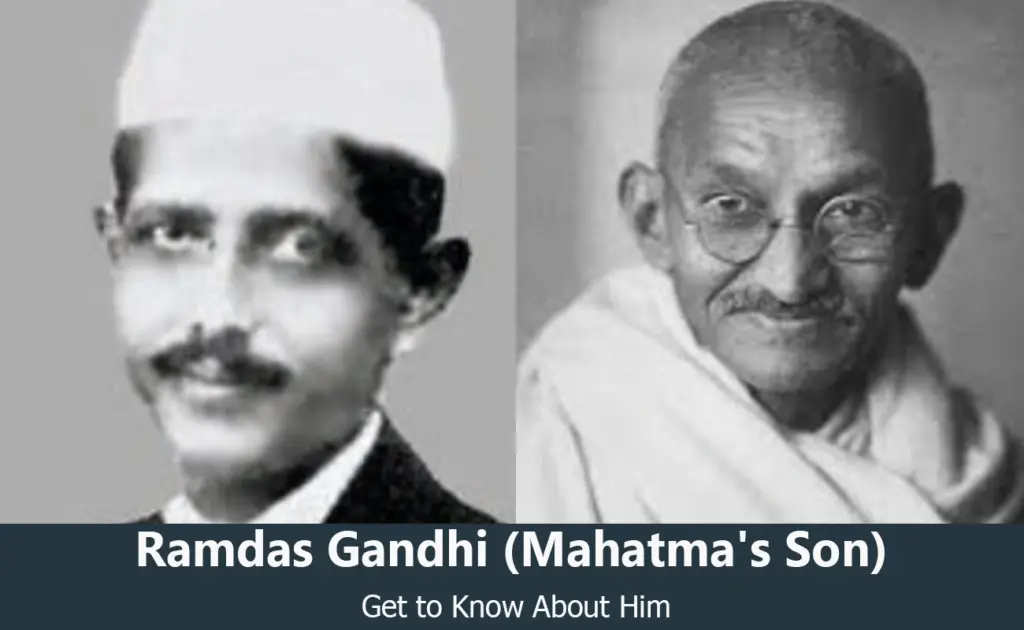
Ramdas Gandhi was the third son of Mahatma Gandhi, the leader of India’s freedom struggle, and Kasturba Gandhi, a strong social activist. Unlike his famous father, Ramdas lived a quieter life. He supported the freedom movement but stayed away from public fame. His story shows the human side of the Gandhi family.
Quick Facts About Ramdas Gandhi
| Full Name | Ramdas Mohandas Gandhi |
| Birthdate | May 4, 1897 |
| Age | 72 years (at the time of death) |
| Birthplace | Natal, British Colony of South Africa |
| Occupation | Freedom movement participant, social activist |
| Husband/Wife | Nirmala Gandhi |
| Education | Gandhian ashram system focused on practical learning and moral training |
| Parents | Mahatma Gandhi (father) and Kasturba Gandhi (mother) |
| Siblings | Harilal Gandhi, Manilal Gandhi, Devdas Gandhi |
| Children | Sumitra Gandhi Kulkarni, Kanu Gandhi, Usha Gandhi |
| Nationality | Indian |
| Death Date | April 14, 1969 |
| Net Worth | <$1 million |
Early Life and Childhood
Ramdas Gandhi was born in 1897 in the British Colony of Natal, South Africa. Some records mention May 4, while others note January 2 as his birth date. At that time, Mahatma Gandhi was working for the rights of Indians living in South Africa.
Ramdas grew up in a unique environment. His childhood was not like that of most children. The family lived in simple settlements where everyone shared work and duties. Life included prayer, manual labor, and strict discipline.
He had three brothers:
Harilal Gandhi – the eldest
Devdas Gandhi – the youngest
Each brother reacted differently to their father’s strong ideals. Ramdas respected his father but did not fully follow his strict lifestyle.
A Different Personality
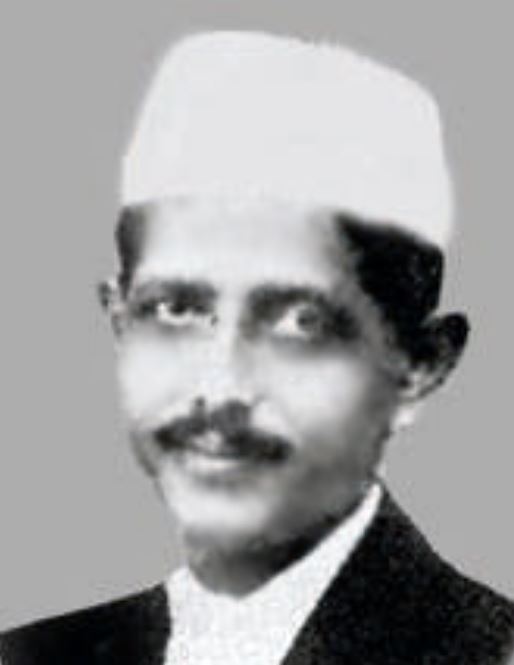
Ramdas Gandhi was known for being practical and independent. He did not enjoy extreme simplicity as much as his father did. Historical accounts say he even liked hunting, which was very different from Gandhi’s belief in non-violence.
He also disagreed with his father on some social issues, including ideas about poverty. A letter written by Gandhi in 1934 shows that father and son sometimes had honest differences. Still, their bond remained strong.
Ramdas chose a balanced path. He respected Gandhian values but also kept his own views.
Role in India’s Freedom Movement
Even though he preferred a private life, Ramdas actively joined India’s independence struggle. He took part in satyagraha protests and civil resistance movements during the 1930s.
British authorities arrested him several times. These prison terms harmed his health and caused long-lasting problems. Yet he stayed committed to the cause of freedom.
One of the most emotional moments of his life came in 1948. After Mahatma Gandhi was assassinated, Ramdas was chosen to light his father’s funeral pyre, fulfilling Gandhi’s final wish. This act showed the deep trust between father and son.
Marriage and Family Life
Ramdas Gandhi married Nirmala Gandhi. The couple lived a simple and mostly private life away from politics.
They had three children:
Sumitra Gandhi Kulkarni – later an Indian Administrative Service officer and Rajya Sabha member
Kanu Gandhi – a scientist who worked in the United States, including projects linked to NASA
Usha Gandhi – who later raised her own family and continued the Gandhi lineage
Ramdas valued family life and preferred peace over public attention.
Later Years and Death
After India gained independence in 1947, Ramdas stepped further away from political life. He focused on personal responsibilities and health.
He outlived both his parents and all his brothers. Ramdas Gandhi passed away on April 14, 1969, at the age of 72, during the birth-centenary year of Mahatma Gandhi.
READ ALSO: Mahatma Gandhi Net worth, Age, Wife, Family, Facts & More
Legacy
Ramdas Gandhi may not be as widely known as his father, but his life remains meaningful. He showed that even within a famous family, individuals can follow their own path.
He supported India’s freedom struggle, accepted personal hardships, and stayed loyal to his family. His life reflects quiet courage rather than public glory.
Today, Ramdas Gandhi is remembered as a devoted son, a freedom participant, and a man who balanced respect for Gandhian ideals with his own independent spirit.