Last updated on: June 9, 2026
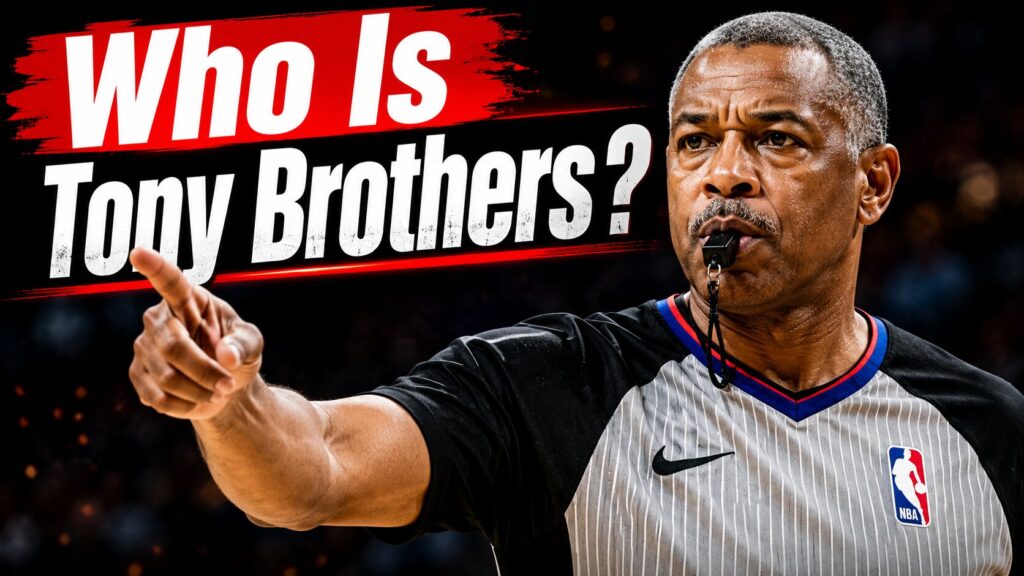
If you’ve ever watched an NBA game and wondered about the veteran official in the gray-and-black stripes making split-second calls under intense pressure, you’ve probably seen Tony Brothers.
Born September 14, 1964, in Norfolk, Virginia, Tony Brothers is now 61 years old and entering his 32nd season as an NBA referee. According to his official NBRA biography, he has officiated 1,854 regular-season games, 215+ playoff games, and 19 NBA Finals appearances — numbers that place him among the most experienced officials still working the league’s biggest stages.
What makes his story compelling isn’t just the longevity. It’s the unlikely road he took: from maintaining nuclear submarine systems with top-secret clearance to becoming one of the most recognizable (and sometimes polarizing) figures in professional basketball officiating. He’s also a family man with deep roots in Hampton Roads, a successful restaurateur who recently closed his popular Norfolk spot after five years, a philanthropist who founded nonprofits supporting single mothers and men in the community, and — as of mid-2025 — someone seriously considering a run for mayor of Norfolk in 2028.
This article dives deep into who Tony Brothers really is. We’ll cover his early life in Norfolk, the surprising way he discovered officiating, his rise through the ranks, the controversies that come with the job, his family and business life, and what his legacy looks like heading into the later chapters of an extraordinary career. Whether you’re a die-hard NBA fan searching for “Tony Brothers referee” details, a Norfolk local curious about one of the city’s most prominent natives, or someone who just wants the full picture behind jersey #25, you’ll find it here. (Read his full Wikipedia profile for a quick overview.)
Early Life and Education: Roots in Norfolk, Virginia
Tony Brothers grew up in Norfolk, a city shaped by the military, the port, and hardworking families who understood discipline and resilience. Born in 1964, he attended Booker T. Washington High School, where the values of the community — pride, perseverance, and showing up when it counts — were instilled early.
After high school, he headed to Old Dominion University, earning a Bachelor of Science in Business Administration in 1986. Decades later, in 2022, he returned to ODU to complete a Master of Public Administration. In 2014, the university honored him with its Distinguished Alumni Award. His connection to the region runs even deeper: in 2018, Norfolk State University awarded him an honorary doctorate, and he established the Dorothy B. Brothers Auditorium there in memory of his late mother, Dorothy.
Those early years in Norfolk weren’t just about academics. They were about building the quiet confidence and work ethic that would later define his approach on the court. Norfolk’s mix of blue-collar grit and military precision left a mark. Brothers has often carried himself with the calm authority of someone who’s handled high-stakes situations long before he ever stepped onto an NBA floor.
What many fans don’t realize is how grounded his upbringing was. He stayed connected to the Hampton Roads area his entire life, eventually making his home in nearby Smithfield, Virginia. That sense of place — the loyalty to family, community, and the region that raised him — has never left him. It’s why, even after decades traveling the country for NBA games, he’s remained deeply invested in Norfolk’s future. His 2025 comments about potentially running for mayor in 2028 weren’t a publicity stunt; they reflected a genuine desire to give back to the city that shaped him.
The Unlikely Path: How Tony Brothers Discovered Officiating and Reached the NBA
Here’s where Tony Brothers’ story takes a turn that surprises almost everyone who hears it.
After graduating from Old Dominion, he took a job with a consulting firm in Virginia Beach. His work involved designing and maintaining systems for periodic maintenance on nuclear submarines, submarine tenders, and aircraft carriers. It was serious, high-security work that required clearance and precision — the kind of role where mistakes weren’t an option. He spent his days focused on complex maintenance management systems for vessels critical to national defense.
But something was missing. Sitting at that desk day after day, Brothers noticed the pounds creeping on and the routine settling in. One day, a colleague named Virginia Miller walked past wearing a black-and-white striped shirt. Curious, he asked what it was for. She told him she refereed basketball games.
After graduating from Old Dominion, he took a job with a consulting firm in Virginia Beach designing and maintaining systems for periodic maintenance on nuclear submarines, submarine tenders, and aircraft carriers — work that required high-level security clearance.
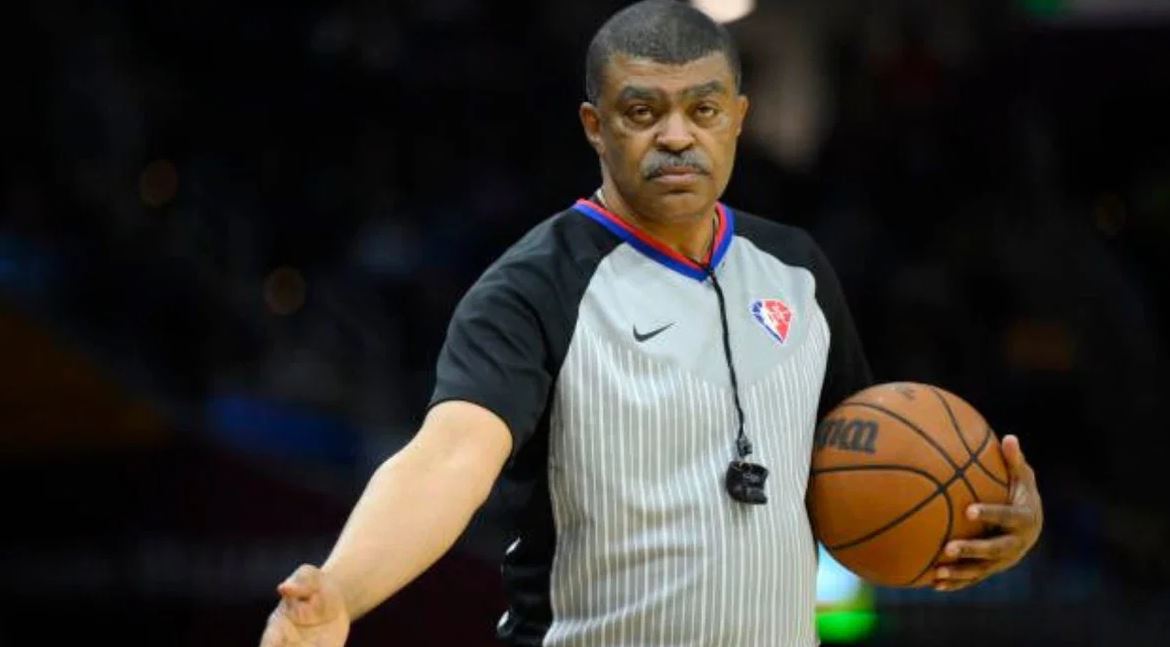
That single moment changed everything. As detailed in his own words on the official NBA Referees Medium article, he started umpiring baseball and slow-pitch softball and paid off his entire $17,000 student debt in just one year.
His first thought? I’m sitting here probably already gained 30 pounds — I need to do something active.
He asked how to get started. It was baseball season at the time, so he went to an umpires’ meeting. The idea of buying equipment and paying fees upfront put him off — until Virginia set him straight the next day with a laugh: “Stupid, that’s what you get paid!” Brothers was genuinely surprised. “You get paid for this?” he remembered thinking.
That single moment changed everything.
He started umpiring baseball and slow-pitch softball. Within a year, he had paid off the roughly $17,000 in student debt he’d carried out of college. The work was physical, it got him outside, and it paid. From there, he moved into football officiating during that season, then naturally transitioned into basketball when its season arrived.
A local supervisor named Dick Bowie saw something in him early on. After Brothers’ second year of officiating, Bowie sent him to a camp run by George Toliver in Harrisonburg, Virginia. There, he caught the eye of people who could open doors. An Old Dominion Athletic Conference (ODAC) supervisor picked him up for Division III games.
At one of those early camps, Hall of Fame NBA referee Hugh Evans watched him work and asked if he was interested in professional basketball. At the time, Brothers said no — partly because of something Virginia had mentioned earlier about the lifestyle. But things changed when Cox Cable came to Norfolk and he started seeing younger referees like Derrick Stafford on TV during Washington Bullets broadcasts. Suddenly, reaching the NBA didn’t seem like something reserved for older officials.
He reached back out. Hugh Evans initially said it was too late for that cycle, but George Toliver told him to come back the next year and try again. This time, Brothers made his interest clear. Soon after, Aaron Wade called and invited him to a tryout in Los Angeles for the Continental Basketball Association (CBA — the league that eventually became the G League).
Darrel Garretson, then in charge of NBA officials, offered him a spot. The catch? He had to give up his college officiating schedule to commit fully. Brothers made the leap. He spent four years in the CBA, working three CBA Finals and an All-Star Game, while still juggling his day job at the consulting firm.
The grind was real. For a stretch, he worked in New York Monday through Thursday on a contract for subway accounting and revenue systems, then flew out Friday morning for CBA games, worked the weekend, and flew home Sunday night to be back at his desk Monday. The firm supported him through those four years — something Brothers still credits as a major reason he made it. When the NBA finally called, it was the payoff for nearly seven years of steady climbing from the moment he first picked up a whistle.
That #25 jersey he wears today? It once belonged to Hugh Evans. When Brothers earned the right to wear it, he made a small but meaningful change — swapping from his original number 56 to honor the man who helped open the door.
The journey from nuclear maintenance work to NBA Finals wasn’t glamorous. It was built on showing up, learning the craft one level at a time, and having people willing to give a hardworking kid from Norfolk a chance. That foundation — the discipline from the nuclear job, the hustle from paying off debt through umpiring, the mentorship along the way — is exactly what has kept him on NBA floors for more than three decades.
NBA Referee Career: Highlights, Stats, and What It Takes to Last 32 Seasons
Tony Brothers didn’t just make it to the NBA — he stayed. And not in a quiet way. Since his debut in the 1994–95 season, he has built one of the longest and most accomplished officiating careers in modern NBA history. As of the 2025–26 season, he’s entering his 32nd year on the floor, still getting assigned to meaningful games while most officials his age have long since moved on.
The raw numbers tell part of the story. Brothers has officiated approximately 1,854 regular-season games, more than 215 playoff games, and 19 NBA Finals appearances. He’s worked the 2009 NBA All-Star Game in Phoenix and the 2024 edition in Indianapolis. International assignments include the 2008 NBA China Games and the 2024 NBA Mexico City game. His most memorable early Finals moment came in 2012 — Game 2 of the Miami Heat vs. Oklahoma City Thunder series, his Finals debut.
What those numbers don’t fully capture is the physical and mental toll. Brothers has said he runs roughly four to six miles during a typical NBA game. He’s learned to tune out the constant noise from 20,000 fans, coaches yelling from the sideline, and players pleading their case on every close call. Longevity at this level requires more than good eyesight and rule knowledge — it demands consistency, emotional control, and the ability to reset after a tough night.
He’s also taken on leadership roles off the court. Since 2023, Brothers has served as Coordinator of Officials for both men’s and women’s basketball in the Mid-Eastern Athletic Conference (MEAC), mentoring the next generation while still working NBA games. That combination of on-floor experience and administrative work is rare.
Here’s a quick look at some career milestones:
- NBA Debut: 1994–95 season
- Playoff Games: 216+ (one of only a handful of active officials with that many)
- Finals Appearances: 19
- All-Star Games: Multiple, including 2009 and 2024
- International Assignments: China (2008), Mexico City (2024)
- Current Season (2025–26): Still actively officiating 50–70+ games per season depending on the schedule
The fact that the NBA continues to trust him with high-stakes playoff and Finals assignments year after year speaks volumes. In a league where every call is dissected on social media within seconds, maintaining that level of responsibility into your 60s is almost unheard of.
Controversies, Scrutiny, and the Reality of Being a Veteran NBA Official
If you spend any time in NBA Twitter, Reddit threads, or fan forums, you’ll quickly see that Tony Brothers is a polarizing figure. Some fans call him one of the worst referees in the league. Others defend him as a veteran who’s simply doing a nearly impossible job under a microscope. The truth sits somewhere in the middle — and it’s worth understanding the full picture.
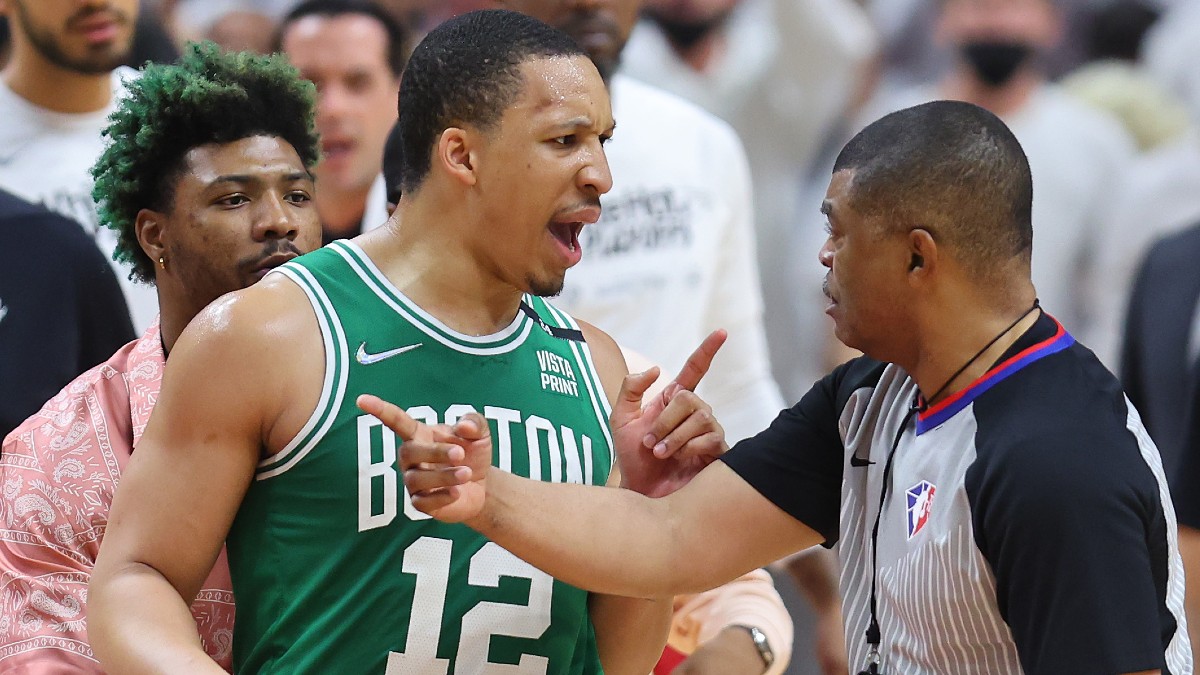
Like most longtime officials, Brothers has had nights where calls went against popular narratives. In 2022, he was reportedly sidelined for one game after an on-court exchange with Dallas Mavericks guard Spencer Dinwiddie. Bleacher Report covered the incident here.
Dinwiddie alleged that Brothers used strong language toward him following a technical foul. The league took action, and Brothers missed an assignment. More recently, during the 2026 playoffs, he had a very public, heated exchange with Minnesota Timberwolves head coach Chris Finch that required separation on the sideline.
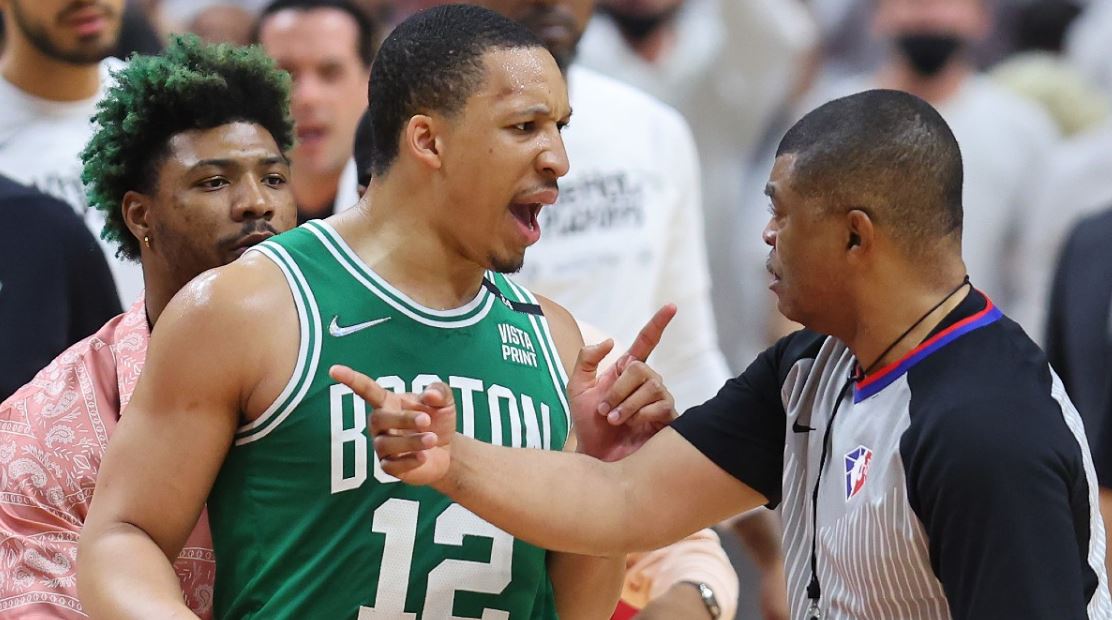
These moments fuel the “worst ref” conversations. Players have mixed feelings too. In anonymous surveys over the years, Brothers has received votes as both a favorite and least-favorite official — a sign that his style is strong and direct, which some appreciate and others find frustrating.
Here’s the important context most casual fans miss: NBA officiating is subjective by nature. Every game has 40–50 borderline calls. With betting markets, social media, and 24/7 coverage, the pressure is enormous. The league doesn’t keep assigning someone to 19 Finals and consistent playoff series if they don’t believe in his competence and integrity. Brothers has shown resilience through it all — he keeps showing up, keeps working the big games, and has never been embroiled in the kind of systemic scandal that ends careers.
What stands out to people who know the officiating world is his longevity itself. Very few officials last 30+ seasons at the highest level. The ones who do tend to be thick-skinned, highly competent, and respected by their peers even when fans are unhappy. Brothers fits that profile. The criticism comes with the territory when you’ve worked this many high-profile games.
Personal Life, Family, and Life Beyond the Whistle
Away from the bright lights and instant replay reviews, Tony Brothers is a family man with deep ties to the Hampton Roads community.
He is married to Kimberly J. Brothers. Together they have built a blended family with six children. Family has always been central to his story — whether it’s his late mother Dorothy (honored with an auditorium at Norfolk State University) or the next generation stepping up in the family businesses.
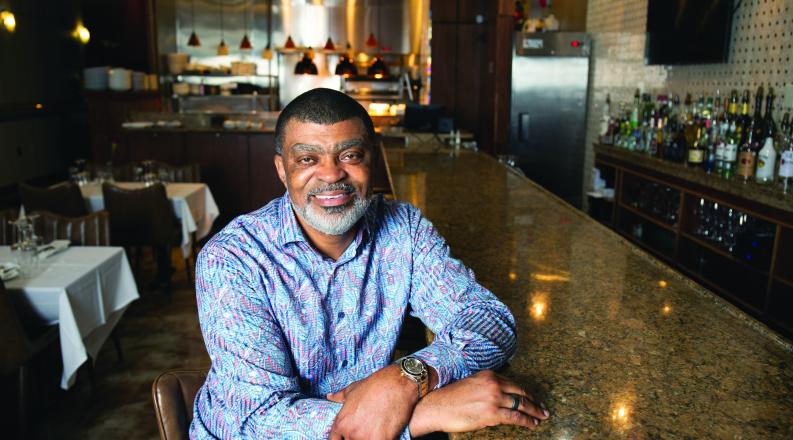
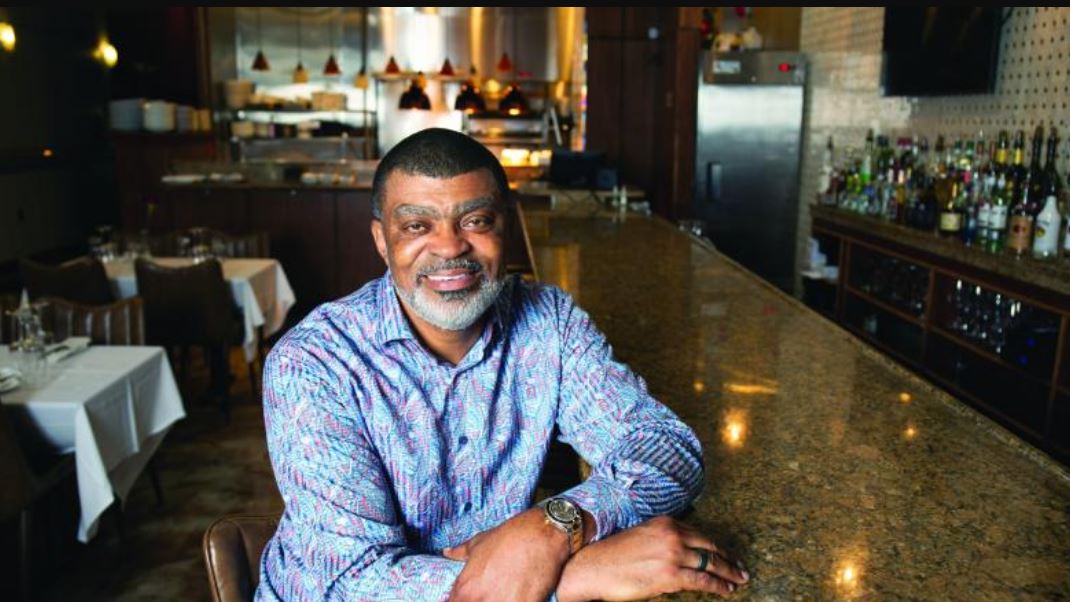
One of the most visible chapters outside basketball was his venture into the restaurant world. In 2021, he and his family opened Brothers — a fine-dining spot in downtown Norfolk offering chops, seafood, spirits, and live music. It quickly became a local favorite, known for its ambiance and the personal touch of the Brothers family running it. After five successful years, the restaurant closed its doors on December 31, 2025. For Brothers, it was another example of pouring energy into the city he loves, even while maintaining a demanding NBA schedule.
His commitment to the community goes far beyond business. In 2007–2008, he co-founded the Still Hope Foundation with his then-wife Monica to support single mothers in the Hampton Roads area, providing resources and relationships to help build strong family units. In 2015, he founded Men for Hope, Inc., a nonprofit focused on empowering men through education, financial literacy, and personal growth while partnering with organizations that serve women and families. He has also established endowments and supported causes tied to Norfolk State University and broader community development.
These efforts reflect the same values that carried him from a nuclear maintenance job to the NBA: discipline, service, and lifting others up. In interviews and public appearances, Brothers often speaks about faith, family, and giving back to the place that raised him. He’s not just a referee who happens to live in Virginia — he’s a Norfolk guy who never forgot where he came from.
That blend of high-level professional success and grounded community involvement is what makes his story different from most NBA personalities. While fans argue about calls on social media, Brothers has quietly built a life that includes raising a family, running businesses, mentoring officials in the MEAC, and investing in the next generation through his foundations.
Business Ventures, Salary, and Lifestyle: Life Off the Court
While Tony Brothers is best known for the whistle, he has built a meaningful life and income streams outside the NBA. His most public business chapter was the downtown Norfolk restaurant Brothers — a fine-dining spot specializing in chops, seafood, and spirits with live music. Opened in 2021 in partnership with his family (including son Kevin contributing in the kitchen), it quickly became a local gathering place that reflected his personality: warm, high-quality, and rooted in Norfolk. After five strong years, the restaurant closed on December 31, 2025. For Brothers, it was never just about profit — it was about bringing people together in the city he loves and creating something lasting with his family.
On the financial side, veteran NBA referees like Brothers earn substantial compensation. Reports have long placed top-tier officials in the range of $350,000 to $550,000 per season in base salary, with significant bonuses for playoff and Finals assignments. Brothers, as one of the most experienced and consistently assigned officials, has sat at the higher end of that scale for years. Exact current figures aren’t publicly disclosed by the NBA, but the combination of regular-season pay, postseason bonuses, and long-term experience has allowed him to build real financial stability.
Public estimates of his net worth have hovered around $5 million, though these are unofficial and based on older reporting. What’s clear is that his lifestyle remains grounded. He lives in the Smithfield/Norfolk area of Virginia, stays deeply connected to family and community, and has never chased the flashy trappings sometimes associated with NBA-adjacent fame. The same discipline that carried him from a nuclear maintenance job through decades of officiating shows up in how he manages his time and resources — focused on family, faith, and giving back rather than extravagance.
In short, Brothers has used his platform and earnings to create options: a family business that served the community, financial security for his large family, and the freedom to consider what comes next after (or alongside) his refereeing career.
Philanthropy, Community Leadership, and the Mayoral Consideration
Tony Brothers has never treated his success as something to keep to himself. His commitment to the Hampton Roads community runs deep and shows up in concrete ways.
In the late 2000s, he co-founded the Still Hope Foundation (with then-wife Monica) to support single mothers in the region — offering resources, education, and personal support to help build strong families. In 2015, he launched Men for Hope, Inc., a nonprofit focused on empowering men through financial literacy, education, and personal growth while collaborating with organizations that serve women and families. He has also established endowments and supported initiatives at Norfolk State University, including naming the Dorothy B. Brothers Auditorium in honor of his late mother.
These efforts earned him induction into the Hampton Roads Hall of Fame in 2023. More recently, since 2023, he has served as Coordinator of Officials for both men’s and women’s basketball in the Mid-Eastern Athletic Conference (MEAC) — a role that lets him mentor younger officials and strengthen basketball at the collegiate level in his home region.
Then there’s the political angle that caught attention in 2025. In July of that year, Brothers publicly stated he was giving “serious consideration” to running for Mayor of Norfolk in the 2028 election. It wasn’t a formal announcement or campaign launch — just an honest signal that he’s thinking about using his experience in a different arena. After more than 30 years making tough calls under pressure, managing conflict, and earning respect across very different communities, the idea of bringing that same steady leadership to city hall makes sense to many who know him. Whether he ultimately runs or not, the fact that he’s even weighing it shows how deeply tied he remains to Norfolk’s future.
This combination — successful referee, family businessman, dedicated philanthropist, and potential political figure — paints a picture of someone who sees his platform as a responsibility, not just a job title.
Legacy and What the Future Holds
Tony Brothers’ legacy is already secure in several important ways.
On the court, he stands as one of the longest-tenured and most accomplished active NBA referees — a guy who climbed from nuclear plant work and lower-level officiating all the way to 19 NBA Finals and consistent high-stakes assignments well into his 60s. That kind of staying power in one of the most scrutinized jobs in sports is rare. He’s shown generations of officials what consistency, resilience, and professionalism look like when the lights are brightest and the criticism is loudest.
Off the court, his legacy in Norfolk and Hampton Roads is equally meaningful. Through his foundations, the restaurant that served the community for five years, his MEAC leadership role, and his quiet but steady presence, he has modeled what it looks like to succeed at the highest levels without forgetting where you came from. The story of the kid from Norfolk who paid off his college debt umpiring baseball, balanced a demanding day job with the grind of climbing the officiating ladder, and still found time to build nonprofits and consider public service — that story resonates far beyond basketball.
Looking ahead, several paths remain open. He could continue officiating for a few more seasons while expanding his MEAC and community work. He might step more fully into mentoring or administrative roles in basketball. And of course, the 2028 mayoral possibility lingers as a genuine option if he chooses to pursue it. Whatever comes next, Brothers has already proven he can reinvent himself — from nuclear systems work to NBA referee to restaurateur to community leader — while staying true to the same core values.
At this stage of his life and career, the question isn’t whether he’s made an impact. It’s how many more chapters he still has left to write.
Conclusion and Frequently Asked Questions
Tony Brothers’ journey is one of those rare stories that feels almost too good to be true — except every part of it checks out. From a desk job maintaining nuclear submarine systems in Virginia Beach to becoming one of the most experienced and respected (if sometimes debated) officials in NBA history. From paying off student loans through baseball umpiring to building a family, a restaurant, and multiple nonprofits that serve his hometown. From the bright lights of NBA Finals games to seriously considering a run for mayor of Norfolk.
He is, at his core, a Norfolk guy who never lost sight of what matters: family, faith, hard work, and giving back. The controversies that come with being a high-profile referee are real, but so is the track record of longevity and trust the league continues to place in him. The businesses, the foundations, and the community involvement show a man who treats success as something to multiply, not just enjoy.
Whether you’re a basketball fan who’s argued about his calls, a Norfolk resident who ate at his restaurant, or someone simply curious about an inspiring American success story, Tony Brothers represents something bigger than any single game or headline. He’s proof that unconventional paths can lead to extraordinary destinations — and that staying grounded while reaching the highest levels is possible.
Here are some of the most common questions people ask about him:
How old is Tony Brothers?
He was born on September 14, 1964, making him 61 years old as of 2026.
Who is Tony Brothers’ wife?
He is married to Kimberly J. Brothers. He was previously married to Monica Brothers. He has a blended family with six children.
What is Tony Brothers’ net worth?
Public estimates place it around $5 million, though exact figures are not confirmed. His income comes primarily from his long NBA referee career (estimated in the $350k–$550k+ range annually for top officials, plus bonuses) along with business and community ventures.
How many NBA Finals has Tony Brothers officiated?
He has worked 19 NBA Finals games across his career.
Why is Tony Brothers controversial?
Like many veteran referees, he draws strong opinions from fans and players. Specific incidents (such as the 2022 exchange with Spencer Dinwiddie and more recent sideline moments) fuel debate, but the NBA continues to assign him high-level games, reflecting confidence in his experience and ability.
Did Tony Brothers own a restaurant?
Yes — Brothers in downtown Norfolk, a family-run fine-dining spot that operated successfully from 2021 until closing on December 31, 2025.
What foundations has Tony Brothers started?
He co-founded Still Hope Foundation to support single mothers and founded Men for Hope, Inc. to empower men and strengthen families in the Hampton Roads area. He has also been active with endowments and initiatives at Norfolk State University.
If this article helped answer your questions about who Tony Brothers is, feel free to share it with others who might be curious. His story is still unfolding — and that’s what makes it worth following.